Pest Control Tips for Homeowners (Updated 2025)
Discover effective pest control tips for homeowners in the USA. Learn how to prevent and manage infestations with expert advice. Trust our experienced, qualified team for safe and efficient pest control services. Contact us at +1 (844) 927-9030.
Pest Control Tips for Homeowners
Pest infestation is a serious concern for homeowners. Pests cause property damage, pose health risks, and create discomfort for those living under one roof. The best way to manage pest issues is to prevent them before they become problematic. Implementing the right pest control strategies will keep your home pest-free and safe. Here are some crucial pest control tips for homeowners.
Maintain Cleanliness and Declutter in the Home
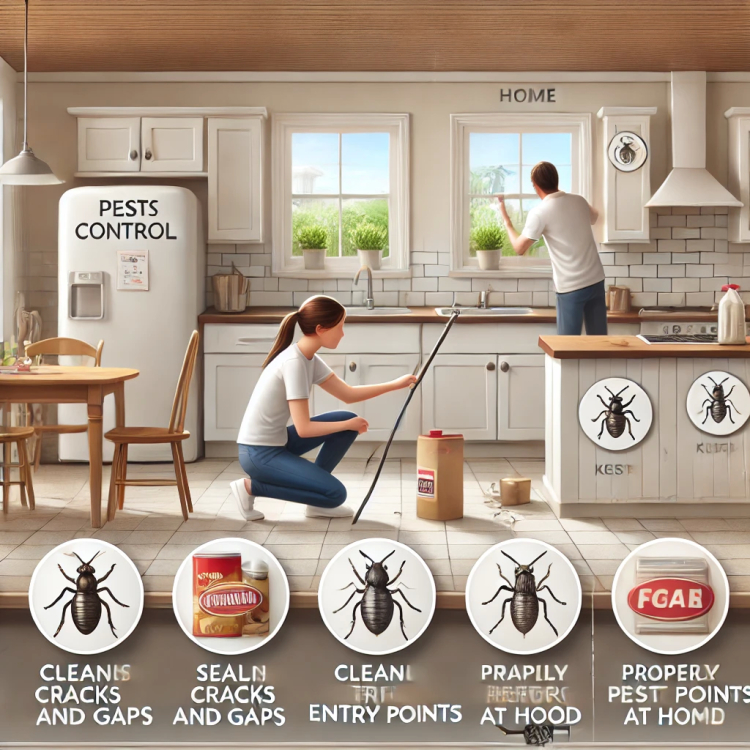
Keeping a house clean is one of the most effective ways to deter pests. Pests are attracted to food, moisture, and hidden spaces. Regular sweeping and vacuuming, wiping down countertops, and ensuring that no dirty dishes are left in the sink overnight will help keep them away. Dispose of trash frequently and keep bins tightly sealed to eliminate food sources for pests. Decluttering storage areas like basements, attics, and garages will reduce hiding spots for rodents and insects.
Seal Entry Points and Cracks
Pests often enter homes through small openings in walls, windows, and doors. Inspect your home for cracks, gaps, and holes, especially around plumbing pipes. Seal these entry points using caulk, weather stripping, or steel wool to prevent pests from sneaking inside. Pay close attention to windows, doors, and vents, as these are common entryways for insects and rodents.
Store Food Properly
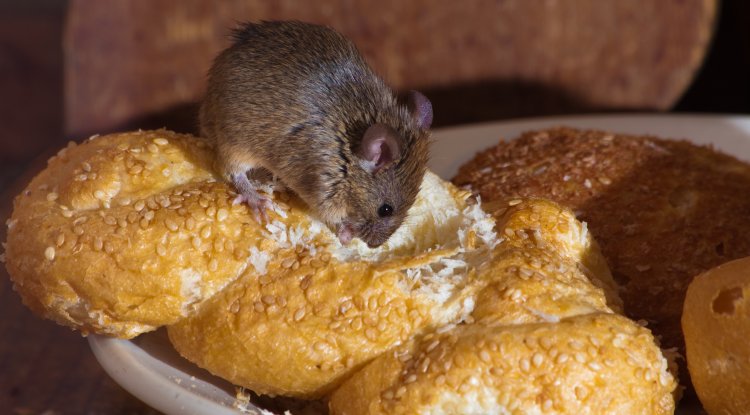
Improper food storage can attract pests like ants, cockroaches, and rodents. Keep all food in airtight containers to prevent contamination. Do not leave pet food out overnight, and store dry goods such as flour, cereal, and rice in sealed plastic or glass containers. Ensure that fruits and vegetables are stored properly and are not left to rot, as overripe produce can attract fruit flies.
Get Rid of Standing Water and Moisture
Pests like mosquitoes, cockroaches, and termites thrive in moist environments. Check under sinks, around pipes, and in basements for leaks, and repair any issues immediately. Ensure proper drainage around your home by clearing gutters and downspouts regularly. Using dehumidifiers in damp areas can help reduce moisture levels and make your home less attractive to pests.
Maintain Your Yard and Garden
A well-kept yard helps prevent outdoor pests from entering your home. Trim bushes and tree branches that touch the exterior walls, as these provide easy access for ants and rodents. Keep the lawn mowed, and remove piles of leaves, wood, or other debris where pests might hide. Store firewood at least 20 feet away from your home and off the ground to reduce the risk of termites.
Use Natural Pest Deterrents
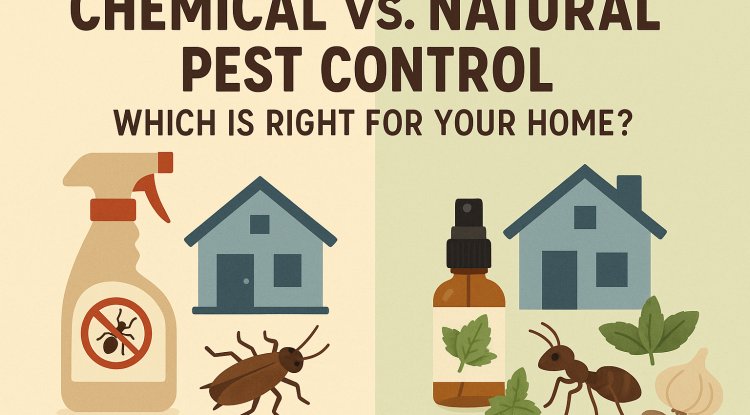
There are natural pest control methods that do not rely on harsh chemicals. For example, placing bay leaves in pantry areas can deter cockroaches, while vinegar and lemon juice can help repel ants. Peppermint oil works well as a rodent deterrent, and diatomaceous earth can be sprinkled around entry points to kill insects like ants and fleas. These natural solutions are a safer alternative for families with children and pets.
Dispose of Garbage Properly
Household garbage is one of the biggest attractions for pests. Use trash cans with tight-fitting lids and empty them regularly to prevent odors that attract insects and rodents. Keep outdoor trash bins away from your home's entrance and clean them frequently to reduce buildup of organic waste. Rinse recycling bins before disposal to remove residue that may attract pests.
Install Screens on Windows and Doors
While keeping windows and doors open for fresh air is beneficial, it can also allow pests inside. Installing screens on windows and doors is an effective way to let air in while keeping insects like mosquitoes, flies, and cockroaches out. Inspect screens regularly for holes or tears and repair them as needed.
Look for Signs of Infestation
Detecting pest problems early can prevent severe infestations. Be on the lookout for droppings, gnawed wires, chew marks, and unusual odors, as these may indicate rodents or insects in your home. Termites leave mud tubes and discarded wings, while bed bugs cause reddish-brown stains on bedding and furniture. Identifying these signs early allows for quick action before the problem worsens.
Use Pest Traps and Baits
If pests are present in your home, traps and baits can help control minor infestations. Sticky traps are effective for catching crawling insects like cockroaches and spiders, while bait stations work well for ants and rodents. When using chemical pesticides or bait, always follow the instructions carefully and keep them out of reach of children and pets.
Schedule Regular Pest Inspections
Even with the best preventative measures, some pests may still find their way inside. Regular pest inspections by professionals can help detect hidden infestations and provide targeted treatments. Experts can identify problem areas, recommend solutions, and apply safe and effective pest control methods to prevent future issues.
Ring in the Professionals When Things Get Bad
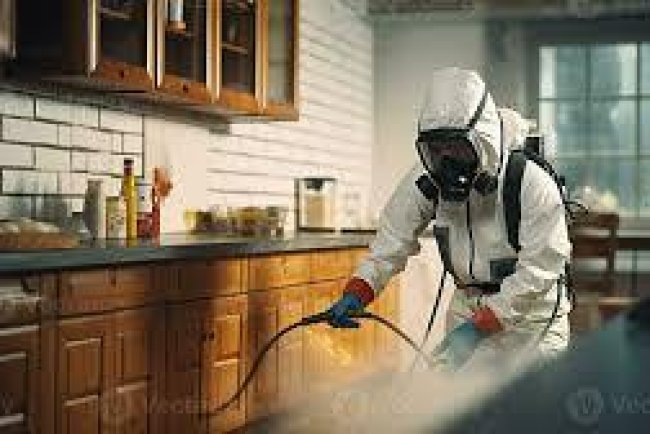
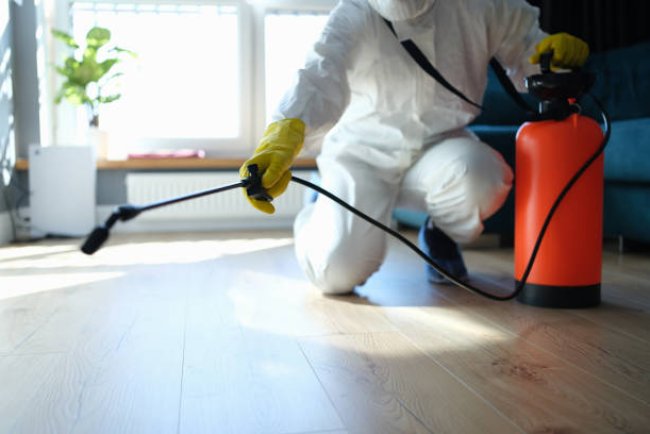
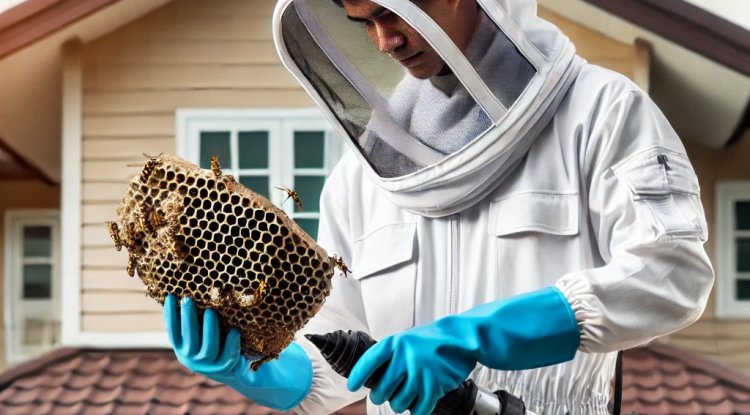
If pest problems persist despite your efforts, it may be time to call a professional pest control service. Professionals conduct thorough inspections, identify the root cause of the infestation, and implement effective solutions. Their expertise ensures the safe removal of pests while preventing future occurrences.
Pest Control Tips for Homeowners
Pest infestations can cause property damage, health risks, and discomfort for homeowners. The best approach is to prevent pests before they become a major issue. By following these pest control tips, homeowners can maintain a clean, pest-free, and safe living environment. If an infestation occurs, professional pest control services can provide effective and long-term solutions