Pest Control in Ohio (Updated 2025)
Discover effective pest control in Ohio to protect your home from common pests like ants, termites, rodents, and mosquitoes. Learn prevention tips, control methods, and expert advice for a pest-free living environment.
Pest Control in Ohio
Pest control in Ohio is essential due to the wide range of pests that can invade homes and businesses. Ohio’s changing seasons and varied climate create ideal environments for pests like ants, spiders, termites, and rodents. In this guide, we’ll cover common pests in Ohio, prevention tips, control methods, and frequently asked questions to help you stay protected year-round.
Why is Pest Control Important in Ohio?
Ohio’s cold winters and humid summers make it a breeding ground for pests. Regular pest control is vital to:
- Prevent Property Damage: Pests like termites and rodents can cause significant damage to buildings and furniture.
- Avoid Health Risks: Pests such as mosquitoes and rodents can spread diseases, impacting the health of your family and pets.
- Maintain Comfort: A pest-free home is comfortable and inviting, free from the stress and annoyance of infestations.
Common Pests in Ohio
Ohio is home to various pests that can invade homes and commercial properties. Here are some of the most common:
1. Ants
- Description: Ohio is home to several ant species, including carpenter ants, pavement ants, and odorous house ants. They often invade homes in search of food and water.
- Control Methods: Use baits to eliminate ant colonies, seal entry points, and keep food properly stored.
2. Termites
- Description: Termites can cause extensive damage to wooden structures. Subterranean termites are the most common in Ohio.
- Control Methods: Regular termite inspections and treatments like bait stations or liquid barriers can help prevent infestations.
3. Spiders
- Description: Ohio is home to harmless spiders like house spiders, but also venomous species such as the brown recluse and black widow.
- Control Methods: Reduce clutter, seal cracks and entry points, and use insecticides if necessary.
4. Rodents
- Description: Mice and rats often seek shelter in Ohio homes during the colder months, leading to contamination and damage.
- Control Methods: Seal cracks, set traps, and eliminate food sources to prevent rodent infestations.
5. Mosquitoes
- Description: Mosquitoes thrive in Ohio’s humid summer months and can transmit diseases like West Nile virus.
- Control Methods: Remove standing water, use mosquito repellents, and consider professional mosquito control services.
Effective Pest Control Methods
To manage pest issues in Ohio, a combination of DIY and professional pest control methods can be effective:
1. Prevention
- Seal Entry Points: Seal cracks, windows, and doors to prevent pests from entering your home.
- Eliminate Food Sources: Keep food sealed, clean up spills immediately, and ensure proper sanitation.
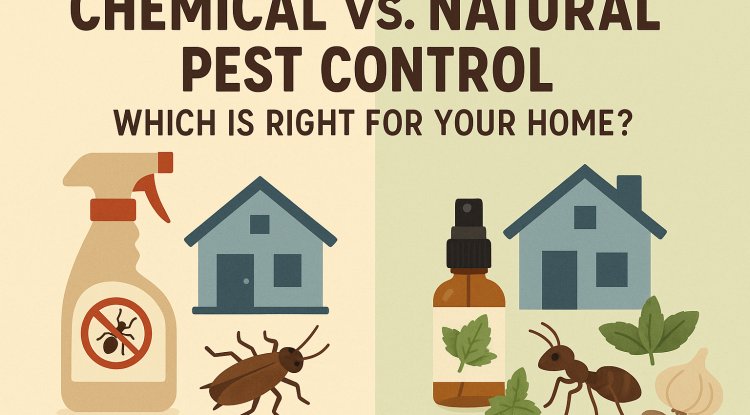
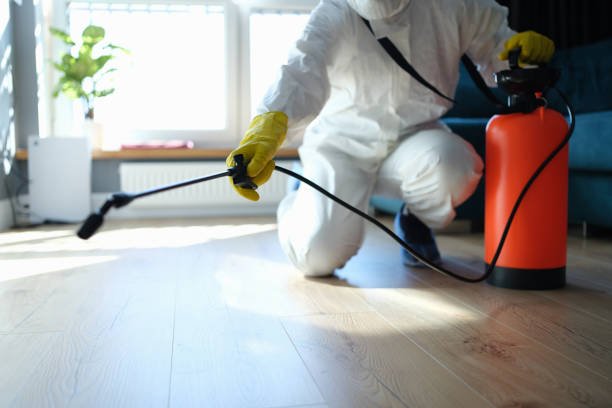
2. Chemical Treatments
- Insecticides: Use insecticides for ants, spiders, and termites as needed. Be sure to follow safety instructions when applying chemicals.
- Rodent Baits: Rodent baits and traps can effectively reduce rodent populations indoors and outdoors.
3. Biological Control
- Natural Predators: Encourage natural predators such as birds and beneficial insects to reduce pest populations in your yard.
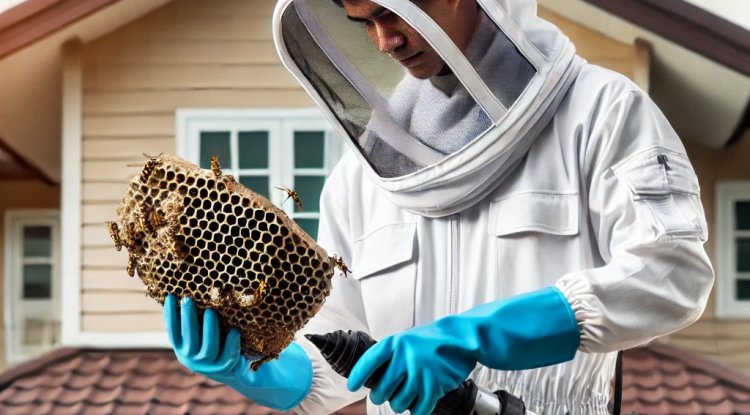
4. Professional Pest Control Services
- Why Hire Experts?: For severe infestations or ongoing pest problems, hiring a licensed pest control professional ensures thorough and effective treatment. They can also provide regular inspections and long-term pest management strategies.
Seasonal Pest Control in Ohio
Ohio’s changing seasons bring different pest challenges:
- Spring: Ants and termites become more active as the weather warms up. It’s essential to inspect for signs of damage and act early.
- Summer: Mosquitoes, ticks, and spiders thrive in the summer heat. Implement prevention strategies like removing standing water and trimming vegetation.
- Fall: Rodents start seeking warmth indoors. Prepare by sealing entry points and storing food securely.
- Winter: While pests are less active outdoors, rodents and spiders can still be a problem indoors.
FAQs About Pest Control in Ohio
Q1: How often should I get pest control services in Ohio?
A: It depends on the severity of the pest issue. Regular treatments every 3 to 6 months are recommended for ongoing protection, especially in high-risk areas.
Q2: Are pest control treatments safe for my pets?
A: Most pest control companies use pet-friendly treatments. Always inform the technician about your pets so they can apply the safest products. You may need to keep pets away from treated areas until they dry.
Q3: How do I prevent pests from coming back after treatment?
A: Prevention is key. Regularly clean your home, store food properly, eliminate standing water, and seal entry points to prevent pests from returning.
Q4: What are the signs of a termite infestation in Ohio?
A: Signs of a termite infestation include discarded wings, mud tubes on walls or foundations, and hollow-sounding wood. Regular inspections can catch infestations early.
Q5: What should I do if I find a mouse or rat in my house?
A: Seal off food sources, set traps, and inspect for any entry points like holes or cracks. For larger infestations, contact a pest control professional.
Q6: When is the best time for pest control in Ohio?
A: Spring and fall are ideal times for pest control treatments in Ohio, as many pests become more active during these seasons. However, year-round protection is recommended for optimal results.
Conclusion
Pest control in Ohio is essential for protecting your home and health from a wide variety of pests. By staying proactive with prevention, using effective treatments, and considering professional services when needed, you can maintain a safe and comfortable living environment. Whether it's ants in the kitchen, termites in the foundation, or rodents seeking shelter, understanding Ohio’s pest challenges will help you stay one step ahead.