What Do Mice Eat? (Updated 2025)
Discover what mice eat, why their diet attracts them to homes, and how to prevent infestations. Learn expert tips from a professional pest control company to keep your property rodent-free.

What Do Mice Eat?
Mice are one of the most persistent and troublesome household pests, capable of invading homes, offices, warehouses, and commercial establishments throughout the year. Understanding what mice eat is crucial for effective prevention and control. Their diet directly influences where they nest, how quickly they reproduce, and why they choose certain properties over others. As a professional pest control company, we have seen how identifying food sources is often the key to stopping infestations before they spread.
This comprehensive guide explores the eating habits of mice, the foods they prefer, how their diet helps them survive indoors, and what homeowners can do to protect their space. If you suspect a rodent problem, understanding their food behavior is the first major step toward controlling them.
What Do Mice Eat? Understanding Their Diet
Mice are omnivorous rodents, meaning they consume both plant-based and animal-based foods. Their natural diet in the wild consists mainly of seeds, grains, fruits, and small insects. However, once mice enter human environments, their eating habits change drastically. They become opportunistic scavengers capable of eating almost anything they can find.

1. Grains and Seeds: The Primary Food Source for Mice
Grains and seeds are at the top of a mouse’s food preference list. These foods provide high energy, are easy to access, and can be stored by mice for later use. This is why pantries, kitchen cabinets, and storage rooms are common locations where mice thrive.
Common grain-based foods mice love include:
-
Rice
-
Wheat
-
Oats
-
Corn
-
Cereal
-
Bird seeds
-
Nuts
Homes with unsealed grain containers or spilled seeds are more likely to attract rodents. Even a few grains on the floor are enough to sustain a mouse for days. This is why pest control experts emphasize proper food storage as a top prevention strategy.
2. Fruits and Vegetables: Natural Moisture Source
Unlike many animals, mice do not require large amounts of water to survive. They obtain most of their moisture from the food they eat. Fruits and vegetables provide the perfect water-rich nourishment that supports their survival.
Mice commonly eat:
-
Apples
-
Bananas
-
Tomatoes
-
Carrots
-
Potatoes
-
Berries
They also feed on rotting or overripe fruits commonly found in trash bins. Gardens, compost areas, and open produce drawers often attract mice looking for fresh produce.
3. Human Leftovers: A Major Attraction in Homes
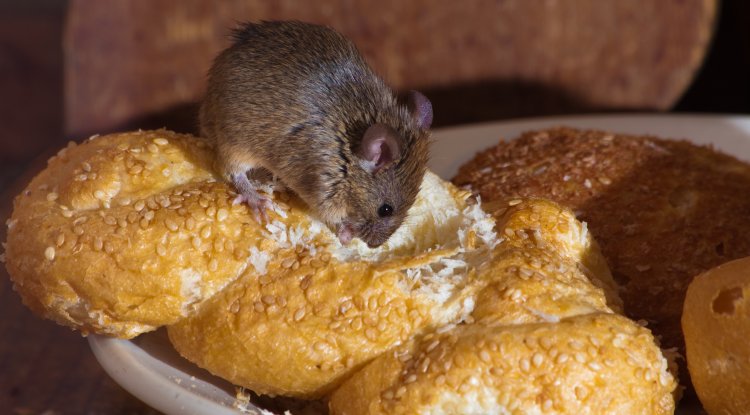
Once mice enter a home, they quickly adapt to human food. This is where the biggest problems usually begin. Mice can survive on crumbs, leftovers, and spilled food that may seem insignificant to homeowners.
Mice willingly eat:
-
Bread
-
Crackers
-
Cookies
-
Cooked rice
-
Pasta
-
Chips
-
Pizza crust
-
Cereal crumbs
Due to their excellent sense of smell, mice can locate food even if it is hidden under appliances, behind cabinets, or inside loosely sealed containers. This makes kitchen hygiene one of the most important steps in rodent prevention.
4. Pet Food: One of the Most Overlooked Mouse Attractants
Many homeowners do not realize that dog food and cat food attract mice just as much as they attract pets. Dry kibble, in particular, is highly appealing to rodents because it contains fats, grains, and proteins.
If pet food is left out overnight or stored in open bags, it becomes an easy target. Garages, utility rooms, and backyards are common areas where mice often find and feed on pet food.
5. Garbage and Organic Waste
Mice are opportunistic and have no problem eating from garbage bins, compost piles, and trash containers. If waste is not sealed properly, mice consider it a feast.
Mice may feed on:
-
Food scraps
-
Rotten fruits
-
Vegetable peels
-
Leftover cooked food
-
Expired groceries
Homes with open trash cans or overflowing garbage are at a significantly higher risk of infestation.
6. Non-Food Items: When Food Is Scarce
Although unusual, mice can chew and consume materials that are not meant to be eaten. This typically happens in severe infestations or in environments where food is limited.
Such materials include:
-
Soap
-
Cardboard
-
Paper
-
Candle wax
While these items do not provide substantial nutrition, they help mice survive temporarily. Their tendency to chew these materials also causes damage to household items.
Why Understanding Mouse Diet Is Crucial for Pest Control
Knowing what mice eat allows homeowners and pest control professionals to target the root cause of infestations. Here’s how diet directly affects pest management:
1. Helps Identify High-Risk Areas
Food sources reveal where mice are likely to nest or travel.
2. Helps in Selecting Effective Baits
Rodent baits are more successful when they mimic foods mice prefer.
3. Assists in Preventing Future Infestations
Once food sources are removed, mice are less likely to return.
4. Enhances Long-Term Rodent Control
Proper storage and sanitation reduce rodent access to nutrition.
Signs Mice Are Feeding in Your Home
You may notice:
-
Small droppings near food areas
-
Chew marks on bags or boxes
-
Torn cereal packaging
-
Noises in the kitchen at night
-
Shredded paper or cloth
These signs indicate active feeding behavior and require immediate attention.
How to Prevent Mice from Accessing Food
Here are professional pest control recommendations:
1. Store All Food in Airtight Containers
Especially grains, pet food, and leftovers.
2. Clean Kitchen Surfaces Regularly
Even small crumbs attract mice.
3. Seal Trash Bins
Use bins with tight lids.
4. Fix Cracks and Entry Points
Mice can enter through holes as small as a coin.
5. Avoid Leaving Food Out Overnight
This includes pet food and open snacks.
6. Schedule Regular Pest Inspections
Early detection prevents severe infestations.