How Termite Damage Your Property (Updated 2026)
How Termite Damage Your Property Guide for Homeowners
Termites are among the most destructive pests that invade residential and commercial properties. Their ability to work quietly, hidden behind walls and beneath floors, makes them extremely dangerous. By the time most homeowners notice signs of termites, the damage is already extensive. Understanding how termite damage your property is one of the most important steps for prevention and early detection. These insects feed on cellulose, weaken structural wood, and cause major financial losses if not addressed in time.
This detailed guide explains how termite damage your property, the types of destruction they cause, the signs to look for, and the steps you can take to protect your home.
Understanding How Termites Damage Your Property
To understand how termite damage your property, it is important to know that termites feed on cellulose, a natural fiber found in wood, paper, cardboard, and even some fabrics. They consume wood from the inside out, hollowing out the structure and leaving a fragile shell behind. Because they work in hidden areas, they often remain undetected for months or years.
Most termite damage occurs slowly, but the long-term results can be severe. What begins as a small colony can turn into widespread destruction if not addressed properly.
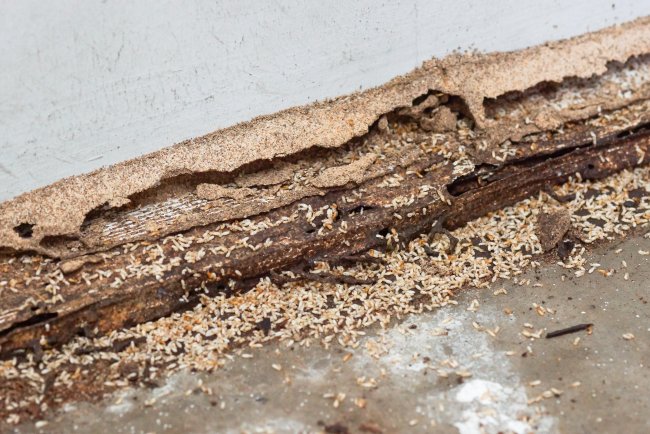
1. Termites Damage Wooden Structures
One of the primary ways how termite damage your property becomes visible is through weakened wooden structures. Termites tunnel through wood continuously, eating the material from inside. This creates hollow spaces that reduce the wood’s strength and stability.
Termites commonly damage:
-
Wooden beams
-
Furniture
-
Door frames
-
Window frames
-
Flooring
-
Roof supports
Since the destruction begins internally, the exterior surface often looks normal while the inside becomes weak. Homeowners usually discover this damage only when wood breaks or bends under pressure.
2. Termites Damage the Foundation of Your Home
A common misconception is that homes with concrete foundations are safe from termites. In reality, subterranean termites can easily enter through cracks, small openings, or gaps around plumbing and utility lines. Understanding how termite damage your property includes knowing that termites do not need much space. Even a gap as thin as a credit card is enough for them to enter.
Once inside, termites attack foundation components such as:
-
Support beams
-
Wooden posts
-
Subflooring
-
Structural frames
If the foundational elements are weakened, the entire property becomes unsafe over time.
3. Termites Damage Walls, Ceilings, and Insulation
Another major part of understanding how termite damage your property involves their ability to destroy walls and insulation materials. While termites primarily feed on wood, they also chew through other materials to reach food sources.
Termites may damage:
-
Drywall
-
Paperboard
-
Plaster
-
Wall insulation
-
Wallpaper
This results in bubbling paint, sagging walls, small holes in wall surfaces, and hollow-sounding areas when tapped. These signs often indicate hidden termite galleries beneath the surface.
4. Termites Damage Furniture and Stored Items
Termites do not limit themselves to structural wood. They often target household items—especially those stored in basements, attics, and garages. Part of understanding how termite damage your property is recognizing that stored belongings can be quietly destroyed.
Common termite targets include:
-
Wooden chairs and tables
-
Cabinets and shelves
-
Cardboard storage boxes
-
Books and paper documents
-
Wooden artifacts or collections
Because these areas are less frequently inspected, termites can damage belongings for long periods before being noticed.
5. Termites Damage Electrical Systems and Wiring
Most homeowners overlook electrical damage when considering how termite damage your property. Termites do not eat electrical wires, but they chew through the soft outer coating to create tunnels. This exposes wiring and increases the risk of:
-
Short circuits
-
Electrical malfunctions
-
System failures
-
Fire hazards
This type of damage can be especially dangerous and costly to repair.
6. Termites Damage Flooring and Carpeting
Termites often travel beneath flooring as they move between food sources. Over time, they may damage wooden floors, laminate surfaces, and even carpets that contain cellulose-based materials.
Signs include:
-
Squeaking floors
-
Sagging areas
-
Blistered surfaces
-
Loose floorboards
This is another major way how termite damage your property without obvious signs.
7. Termites Reduce Property Value
Termite damage does not only weaken your home; it also affects financial value. A home with termite damage:
-
Fails inspection reports
-
Requires costly repairs
-
Is difficult to sell
-
Often sells at a lower price
-
Demands professional treatment before closing deals
Understanding how termite damage your property helps homeowners take preventive action before the damage becomes too expensive to fix.
Common Signs of Termite Damage in Your Property
Early detection helps reduce repair costs. Look for these signs to understand how termite damage your property:
-
Hollow-sounding wood when tapped
-
Mud tubes on walls or foundations
-
Small holes in wood surfaces
-
Peeling or bubbling paint
-
Piles of termite droppings
-
Sagging floors or sticking doors
-
Discarded wings near windows or lights
If you notice any of these warning signs, termites may already be actively damaging your home.
How to Prevent Termite Damage
Understanding how termite damage your property is only the first step. Prevention is equally important. Here are expert recommendations:
1. Reduce Moisture Around Your Home
Termites thrive in moist environments. Fix leaks, improve drainage, and avoid water pooling around the foundation.
2. Store Wood Properly
Do not store firewood or lumber directly against your home. Keep it elevated and away from soil contact.
3. Seal Cracks and Gaps
Close openings around plumbing, vents, and foundation slabs to block termite entry.
4. Maintain Proper Ventilation
Good airflow reduces humidity, making areas less attractive to termites.
5. Schedule Regular Inspections
Professional termite inspections can detect early activity before serious damage occurs.
6. Use Preventive Termite Treatments
Soil treatments, baiting systems, and protective barriers provide long-term protection.