Why Do Pests Keep Coming Back After Treatment? (Updated 2025)
Wondering why pests keep coming back even after treatment? Learn the top reasons behind recurring pest problems and how to prevent future infestations effectively.
If pests continue to return even after treatment, it usually means the root causes haven’t been fully addressed. Here are some common reasons why pest problems persist:
1. Incomplete or Surface-Level Treatment
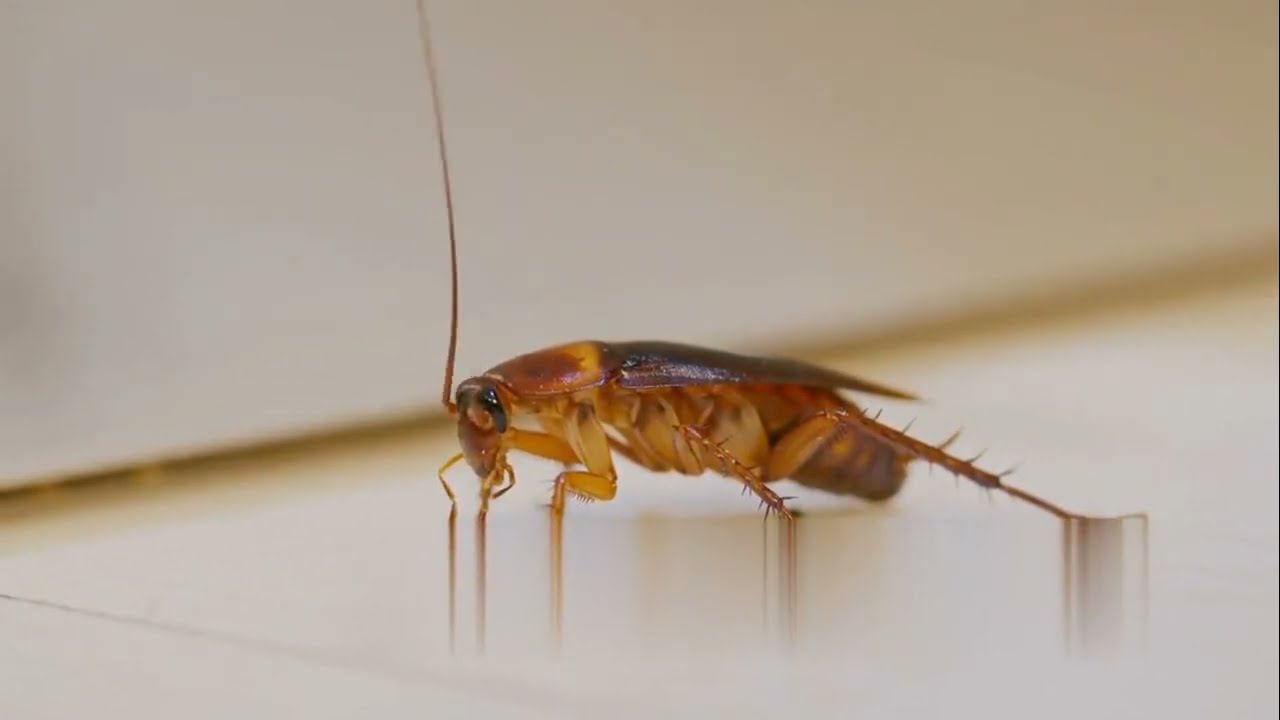
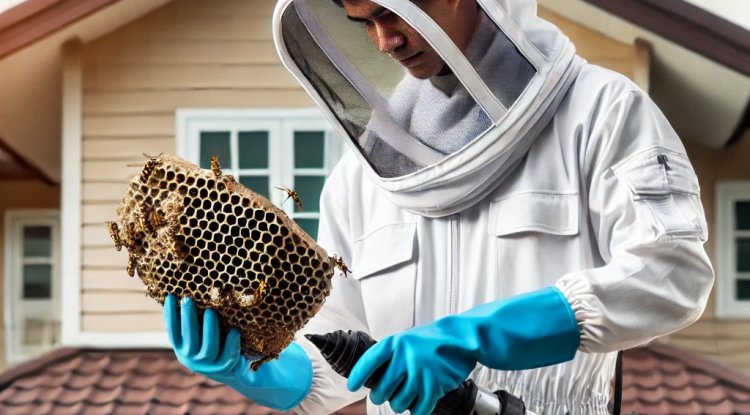
Some treatments only target visible pests, not the eggs or hidden colonies. Many pests, like cockroaches, bed bugs, and termites, hide in hard-to-reach areas. If the treatment doesn’t reach the nests or breeding sites, the problem can quickly return.
2. Open Entry Points
Cracks in walls, unsealed windows or doors, gaps around plumbing, and other openings allow pests to re-enter. Without sealing these entry points, pests can keep finding their way back into the property.
3. Food, Water, and Shelter Are Still Available
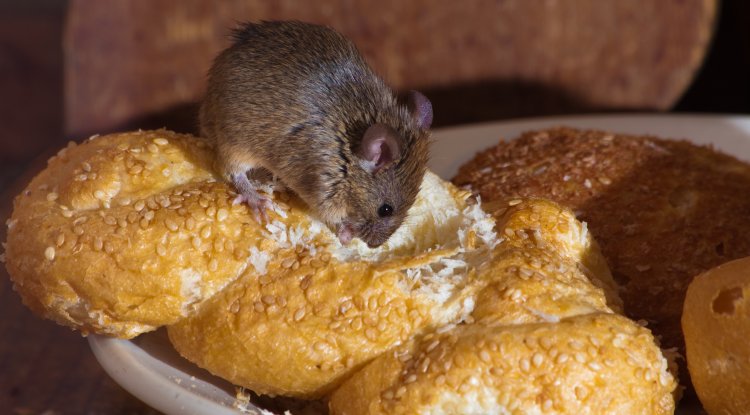
Pests are drawn to environments that offer food, water, and shelter. If leftover food, moisture from leaks, or clutter remains, pests will continue to thrive even after initial treatments.
4. Re-infestation from Surrounding Areas
In shared buildings or densely populated areas, pests can migrate from untreated areas. If neighbors or nearby units are infested, re-infestation is common unless there’s a coordinated effort.
5. Ineffective Pest Control Methods
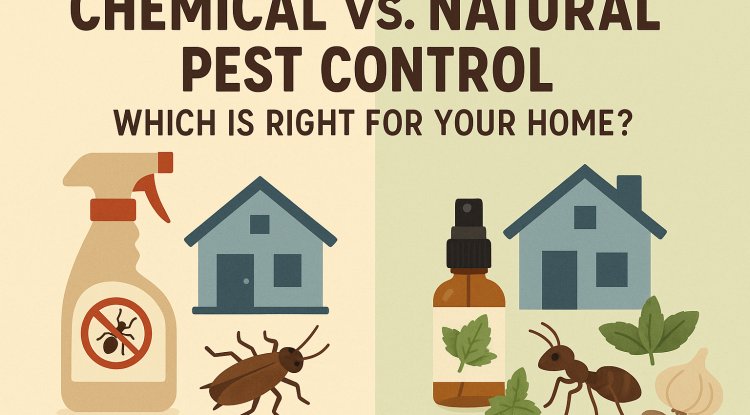
DIY sprays or low-quality pest control services may not use the right chemicals or techniques. Some pests are resistant to over-the-counter solutions and require professional-grade treatment.
6. Lack of Ongoing Maintenance
Pest control should not be a one-time event. Regular inspections, preventive treatments, and routine property maintenance are essential for long-term pest prevention.