What to Do If You Find a Cockroach in Your Kitchen: A Complete Guide (Updated 2025)
Essential steps to take if you find a cockroach in your kitchen. From immediate actions to long-term prevention tips, learn how to keep your home pest-free and safe.
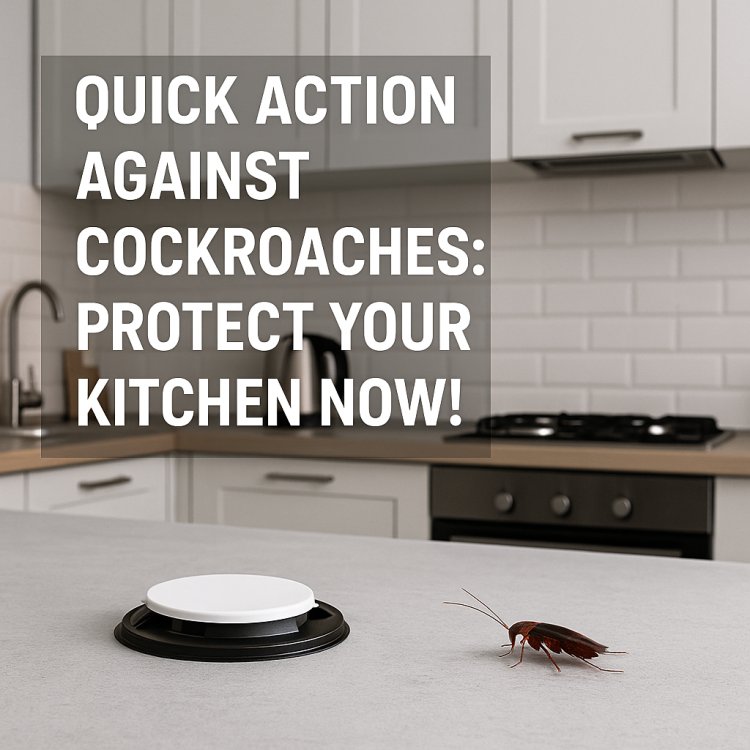
Finding a cockroach in your kitchen is not only unsettling but also a clear sign of a potential infestation. These pests are more than just an inconvenience; they carry bacteria and can trigger allergies. In this guide, we’ll walk you through immediate actions to take, why you need to act quickly, and how to prevent future cockroach invasions in your kitchen.
Step 1: Stay Calm and Assess the Situation
First, stay calm—it's important to act quickly, but panic won’t help. Cockroaches are nocturnal, so if you spot one during the day, it might indicate a larger issue. Here’s what to do:
-
Identify the type of cockroach: Different species (e.g., German cockroach, American cockroach) have varying habits and treatment methods.
-
Check the surrounding areas: Look for signs of infestation such as droppings, egg cases, or more cockroaches hiding behind appliances, in cabinets, or under sinks.
Step 2: Remove the Cockroach (Safely)
-
Use a container or jar: Trap the cockroach with a glass or container, then slide a piece of paper underneath to pick it up. Release it outside away from your home.
-
Dispose of immediately: If you’re using a pesticide or trap, ensure you dispose of it properly to prevent further contamination.
Step 3: Clean and Sanitize the Area
Cockroaches are drawn to food and moisture. Once you’ve removed the cockroach, thoroughly clean the area to eliminate any traces of food that might attract more pests. Follow these steps:
-
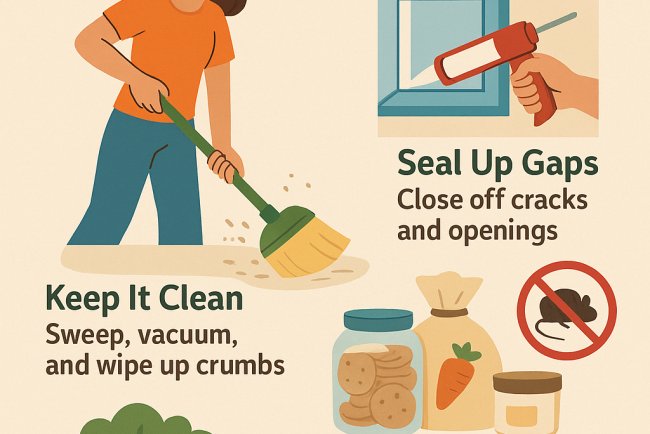
Wipe down surfaces: Clean countertops, floors, and behind appliances.
-
Take out trash regularly: Ensure food waste and garbage are disposed of promptly to avoid attracting pests.
-
Seal food properly: Store food in airtight containers and keep it off countertops.
Step 4: Inspect and Seal Entry Points
Cockroaches often enter through cracks and gaps. Inspect your kitchen thoroughly:
-
Seal cracks and crevices: Use caulk or weatherstripping to close any potential entry points around doors, windows, and plumbing.
-
Check vents: Ensure that ventilation and exhaust fans are properly sealed.
Step 5: Use Cockroach Control Methods
If you spot a cockroach, it may be an isolated incident. However, persistent sightings could signal an infestation. Consider the following control methods:
-
Bait traps: Set up cockroach bait stations in areas where cockroaches are frequently seen. These attract and poison the pests over time.
-
Sticky traps: Place sticky traps near suspected cockroach hiding spots to monitor activity and capture them.
-
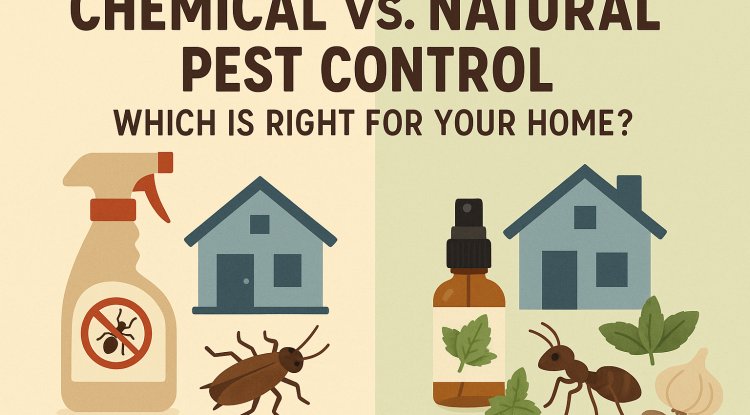
Boric acid: A natural solution that can be used in cracks or under appliances to poison cockroaches. Be cautious if you have pets or children.
-
Professional pest control: If the infestation is severe, calling a professional exterminator might be necessary.
Step 6: Long-Term Prevention Tips
Preventing future cockroach sightings is key to maintaining a pest-free kitchen:
-
Maintain cleanliness: Regularly clean floors, wipe down countertops, and vacuum to remove crumbs or food residue.
-
Store food properly: Ensure all food is sealed tightly, especially at night.
-
Fix leaks and reduce moisture: Cockroaches thrive in moist environments, so repair leaks and avoid standing water in sinks or under appliances.
Conclusion:
Finding a cockroach in your kitchen is never a pleasant experience, but with these steps, you can tackle the problem head-on. Act quickly, clean thoroughly, and implement preventative measures to keep your kitchen free from pests. If the infestation persists, don’t hesitate to contact a professional pest control service to take care of the issue.