Top 6 Pest Control Methods Every Homeowner Must Know (Updated 2025)
Discover the 6 most effective pest control methods for your home, from natural solutions to professional strategies. Protect your space from unwanted pests.
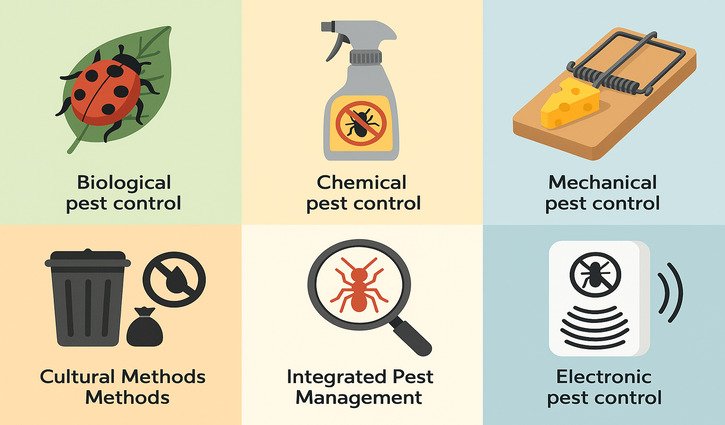
The Top 6 Pest Control Strategies That All Homeowners Must Know
Pests are a nightmare to almost all homeowners. There could be ants in the kitchen, woodwork plays host to termites, or rodents in the attic; pests can cause property damage as well as the spread of diseases, thereby making a home very stressful. There are many ways through which homeowners can effectively control household pests, from some good DIY methods to some professional ones.
Here are the top 6 most effective pest control methods that homeowners should know:
1. Biological Pest Control
Using natural predators, parasites, or pathogens to cause pest populations to decrease is the very definition of biological control. This extremely environment-friendly technique is quite effective when employed to gardens and green areas.
Example:
Introduce ladybugs to control aphids.
Use nematodes for targeting the pests that thrive underground in the soil.
Use BT (Bacillus thuringiensis) kills caterpillars.
Pros:
Non-toxic and environment friendly
Targeted on pest species without getting affected to beneficial ones
Cons:
Slower than chemical methods
Requires constant monitoring and maintenance.
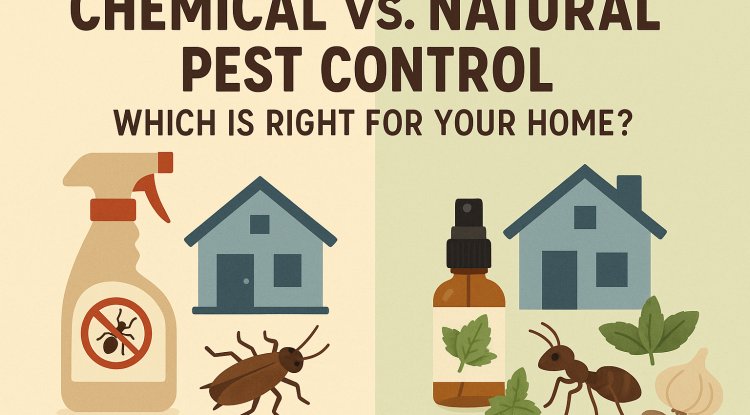
2. Chemical Pest Control
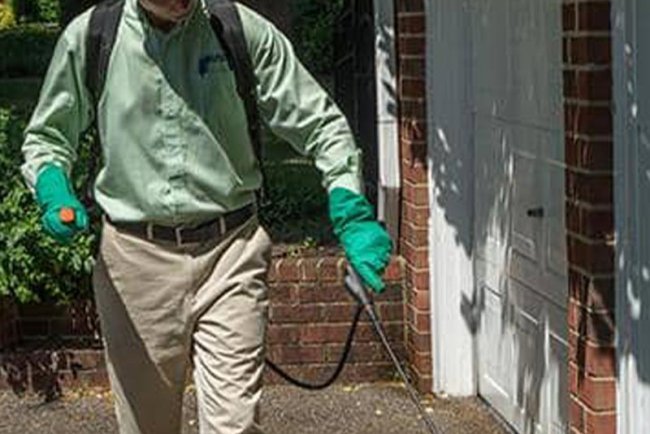
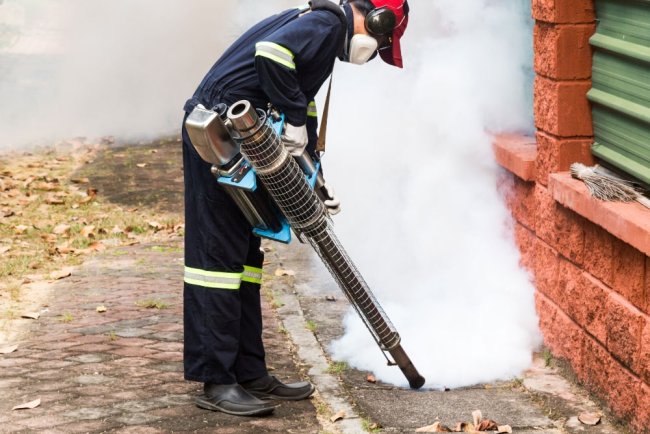
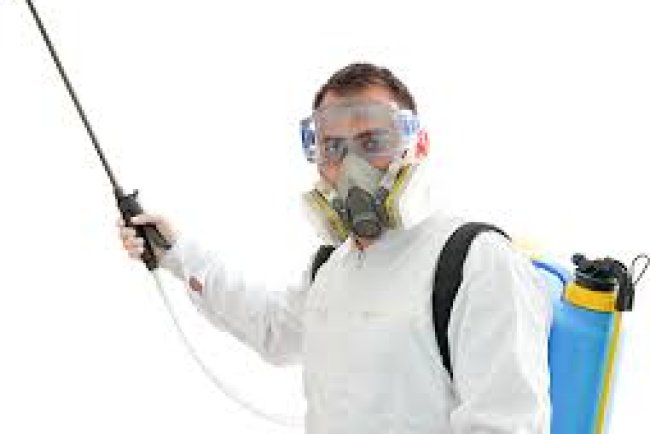
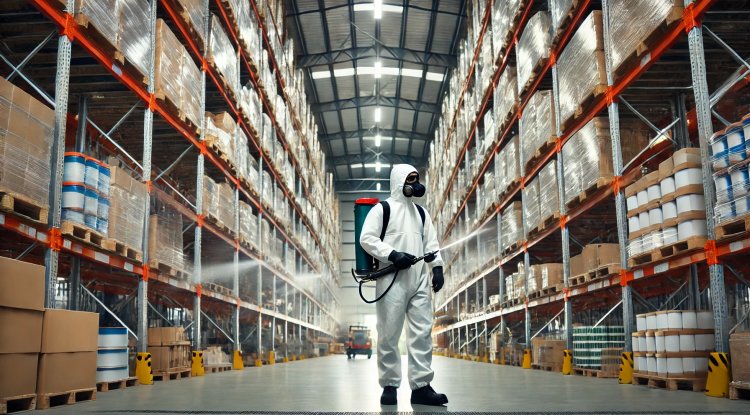
This chemical control method is widely accepted for pest control because of its efficacy and rapid results. Since chemical protectants rely upon insecticides, rodenticides, or fumigants, they should be applied to kill or repel pests.
Examples of these are:
Sprays for cockroaches, ants, and mosquitoes
Termiticides for wood protection
Baits and gels for rodents
Pros:
Very fast-acting and highly effective
Wide range of formulation options.
Cons:
Potential health risks posed to humans and pets.
Overuse can lead to resistance in pests. Tip: Always follow label instructions and consider hiring professionals for extensive infestations.
3. Mechanical Pest Control
Mechanical pest control encompasses the employment of physical methods to exclude or eliminate pests. This type of pest control could serve as the best option for homeowners as a first line of defense.
Examples:
Trapping mice and rats.
Barriers such as mesh screens and door sweeps.
Manual removal, i.e. vacuuming bugs or nests.
Pros:
Instant results appropriate for homeowners.
Non-toxic and safe for users.
Cons:
Labor-intensive
Not practical for large-scale infestation.
Best: For house mice, houseflies, crawling insects, and occasional invaders.
4. Cultural Control Measures
Cultural control refers to environmental conditions and human behavior modification so that the pest practices are less amenable to their development.
Methods include:
Disposing garbage regularly and sealing bins
Eliminating standing water to hinder mosquito breeding
Keeping food in sealed containers
Pros:
Provides prevention for all time
Creates hygiene and health in general
Cons:
Requires vigilance and constant action on the part of the individual
Will likely not eliminate all established infestations
Recommended for: Every home active prevention strategy.
5. Integrated Pest Management (IPM)
IPM encompasses the combined approaches of pest control using diverse methods of pest management to limit its environmental and health risk effects.
Steps include:
Identify pest and monitor activity
Setting action thresholds to determine when to treat
Using the least risky treatment option for that particular pest (biological, mechanical, or chemical)
Monitoring and evaluation
Pros:
Environmentally sound and sustainable
Reduces overreliance on chemical treatments.
Cons:
Knowledge, planning, and patience are required.
Best handled with professional guidance for optimal results. Ideal For: Long-term pest management, especially in sensitive environments such as schools, hospitals, and homes with children or pets.
6. Electronic Pest Control
Electronic pest control is a modern and less invasive method that employs the use of ultrasonic or electromagnetic devices to deter pests.
Includes plug-in devices that emit sounds, supposedly at a frequency very high, to which humans cannot hear.
Are said to dissuade rodents, insects, and even spiders.
Pros:
Easy use and maintenance
Do not involve chemicals or traps
Cons:
Mixed results from studies and user ratings.
May not be effective for every kind of pest. Remember: these should be treated as secondary interventions and not primary methods.
Final Take
Pest control does not follow across the board but has to be customized according to the type of pest, how pervasive their infestation is, and the point of view from which they invade the home. Often, methods that add up into two or more combine for possibly the most effective and longest-lasting solution.