Termites Can Cause $10,000+ in Damage—How to Spot Them Early (Updated 2025)
Learn the early warning signs of termite infestations and how to prevent costly home damage. Schedule a termite inspection before it’s too late.

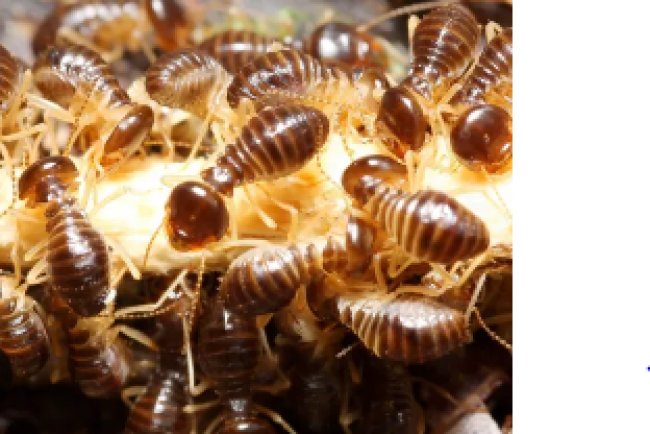
Termites are known as “silent destroyers” for a reason. These pests can quietly eat away at the structure of your home, causing significant and costly damage before you even realize they’re there. In fact, the average cost of termite-related repairs in the U.S. can exceed $10,000. Catching them early can mean the difference between a minor inconvenience and a major home renovation.
This guide will help you recognize early signs of a termite infestation, understand the risks, and know when to call in a professional.
Why Termites Are So Destructive
Termites feed on cellulose, which is found in wood, drywall, paper, and even furniture. Unlike some pests that come and go, termites work 24/7. Once they establish a colony, they can number in the millions and operate silently behind walls, under floors, and within wooden structures.
Left unchecked, they can:
-
Weaken load-bearing walls
-
Compromise flooring and ceiling supports
-
Destroy cabinets, baseboards, and trim
-
Lead to significant structural instability
The Cost of Termite Damage
Termite damage often isn’t covered by homeowners insurance because it’s considered preventable with proper maintenance. That’s why prevention and early detection are so critical.
-
Average Repair Cost: $3,000–$10,000+
-
Severe Cases: Costs can exceed $25,000 if structural framing or foundations are affected
-
Lost Home Value: Termite damage can reduce property resale value and complicate home inspections
Early Warning Signs of a Termite Infestation
Being proactive means knowing what to look for. Here are the most common early signs of termites:
1. Mud Tubes
Subterranean termites build mud tubes along walls, foundations, or crawlspaces to stay moist and hidden while traveling. These pencil-sized tunnels are a major red flag.
2. Hollow-Sounding Wood
Tap on walls, floors, or baseboards. If they sound hollow or papery, termites may have eaten away the inside of the wood.
3. Discarded Wings
Swarming termites (called “alates”) shed their wings once they find a new place to establish a colony. You may find tiny piles of wings near windows, doors, or light fixtures.
4. Frass (Termite Droppings)
Drywood termites leave behind small, pellet-like droppings called frass. These are often found near infested wood or around baseboards.
5. Tight-Fitting Doors and Windows
As termites eat through wood, they can warp frames and cause doors or windows to stick.
6. Blistered or Bubbling Paint
Moisture buildup from termite activity can cause paint to bubble or look like it’s water damaged.
Common Places Termites Hide
-
Crawlspaces and basements
-
Attics and roof beams
-
Inside walls and behind baseboards
-
Wooden decks and porches
-
Window and door frames
-
Wood piles or mulch near your foundation
When to Call a Termite Professional
If you notice any of the warning signs mentioned above, don’t wait. The longer you delay, the more extensive and expensive the damage becomes.
A licensed pest control technician can:
-
Conduct a full home inspection
-
Identify the type of termites
-
Recommend a customized treatment plan
-
Help prevent future infestations with barrier treatments or bait systems
Preventing Termites: What You Can Do
-
Keep woodpiles away from your home’s foundation
-
Fix any moisture issues like leaks or poor drainage
-
Seal cracks in your foundation and walls
-
Ensure proper ventilation in crawlspaces
-
Schedule annual termite inspections
Don’t Let Termites Destroy Your Investment
Termites can quietly devastate a property in a matter of months. By learning to spot the signs early and acting fast, you can save thousands in repair costs and protect your home’s value.
Need help fast? Contact our team for a comprehensive termite inspection and protect your home before it’s too late.