9 Essential Steps to Launch a Pest Control Business (Updated 2025)
Learn how to start a pest control business in 9 practical steps. Expert advice from Pest Control Service Limited to guide your journey.
9 Essential Steps to Launch a Pest Control Business
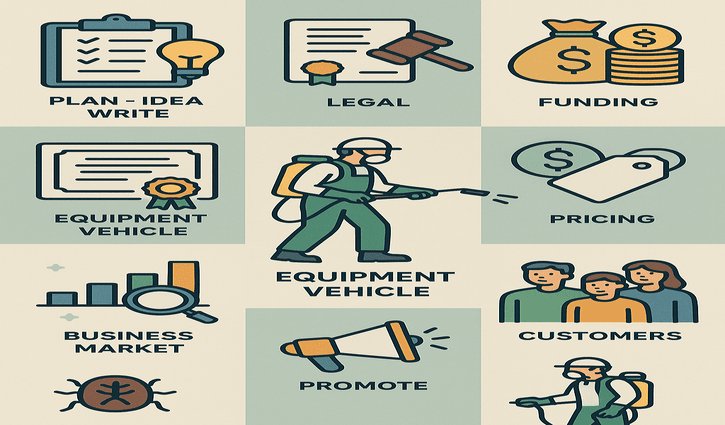
Starting a pest control business can be a rewarding journey—both financially and professionally. At Pest Control Service Limited, we know firsthand how a well-structured startup can become a thriving local service. Based on expert insights and our own experience, here's your step-by-step guide to getting started.
Step 1: Understand the Industry Basics
What is Pest Control?
Pest control is the practice of managing or eliminating unwanted pests like rodents, insects, and termites. It protects public health, homes, and businesses.
Common Services in Pest Control
Expect to handle ants, cockroaches, bed bugs, termites, rats, and wildlife. You can offer one-time services or recurring contracts.
Step 2: Define Your Business Model
Residential vs. Commercial Clients
Will you serve homeowners, landlords, or corporate buildings? Residential services are more frequent, but commercial contracts tend to be higher value.
Specialized vs. General Pest Control Services
You might choose to specialize in termite removal or eco-friendly treatments—or offer a broader set of services like we do at Pest Control Service Limited.
Step 3: Create a Solid Business Plan
Mission and Vision
Define why your pest control company exists. At PCS Limited, our mission is simple: provide safe, effective, and affordable pest solutions for everyone.
Financial Forecasting and Funding
Project your first year’s expenses, pricing structure, and how you’ll break even. Secure funding via loans, savings, or investors if needed.
Step 4: Get Proper Training and Certification
Why Certification is Crucial
Handling chemicals and traps requires skill—and in most places, certification is mandatory. Plus, it builds trust with your customers.
Recommended Training Sources
Check with your local Department of Agriculture or Environmental Protection. They often list approved courses. We trained through both state and national bodies.
Step 5: Register Your Business and Legalize It
Choose a Business Structure
Decide between sole proprietorship, LLC, or corporation. Each has tax and liability implications.
Obtain the Right Licenses and Permits
Depending on your state, you'll need pest applicator licenses, insurance, and possibly a business license. Make sure you comply with local laws.
Step 6: Invest in the Right Tools and Equipment
Essential Tools for Pest Control
Sprayers, dusters, bait stations, and inspection mirrors are staples. At PCS Limited, we also use digital tools for scheduling and tracking.
Safety Gear and Eco-Friendly Options
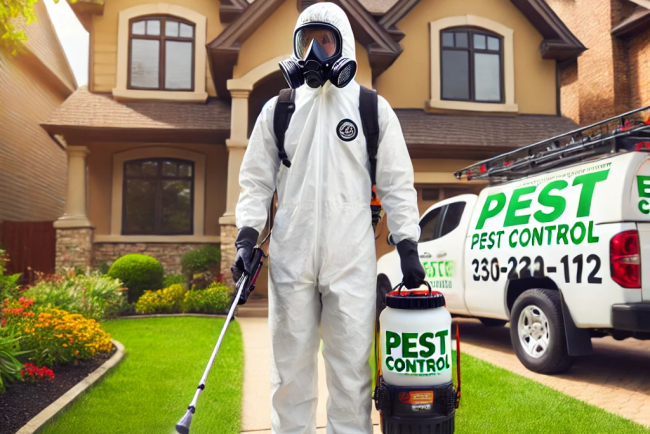
Don’t skimp on gloves, masks, and safety goggles. Offer green pest solutions to attract eco-conscious clients.
Step 7: Build a Strong Brand Identity
Choosing a Name and Logo
Pick a name that’s easy to remember. Design a professional logo—your brand will be plastered on uniforms, vans, and your website.
Creating an Online Presence
Your website should clearly list services, pricing, reviews, and contact info. We also recommend starting a blog to build local SEO.
Step 8: Launch a Marketing Strategy
Local SEO and Yelp Listings
List your business on Google and Yelp. Ask satisfied customers to leave reviews. This helps us show up in local searches consistently.
Paid Advertising and Word-of-Mouth
Start with Facebook Ads or Google Local Services. Word-of-mouth referrals from satisfied clients are gold—nurture them.Step 9: Deliver Quality Service and Grow
Hiring and Training a Team
As demand increases, bring on technicians who share your values. At PCS Limited, every new hire completes thorough training.
Scaling Your Operations
Look for new service areas, offer bundled packages, or franchise your brand. Invest in automation to manage more clients smoothly.
Conclusion
Starting a pest control business isn't just about killing bugs—it's about building trust, solving real problems, and creating a reliable source of income. From choosing your niche to getting licensed and marketing like a pro, following these nine steps will lay the foundation for success.
At Pest Control Service Limited, we believe in quality, care, and community. Whether you're just brainstorming or already applying for licenses, this guide is your roadmap. Ready to get started? There's a whole market waiting for your expertise.FAQs
How much does it cost to start a pest control business?
Typically between $10,000–$30,000, depending on equipment and licensing needs.
Do I need experience in pest control to start?
Not necessarily. But proper training and certification are a must before offering services.
What licenses are required?
It varies by state but usually includes a pest control applicator license and a business license.
How long does it take to get started?
With proper planning, you can launch in 2–6 months, depending on how fast you get licensed and funded.
Is pest control a profitable business?
Absolutely. It's a recurring-need industry with high margins—especially if you offer regular maintenance plans.