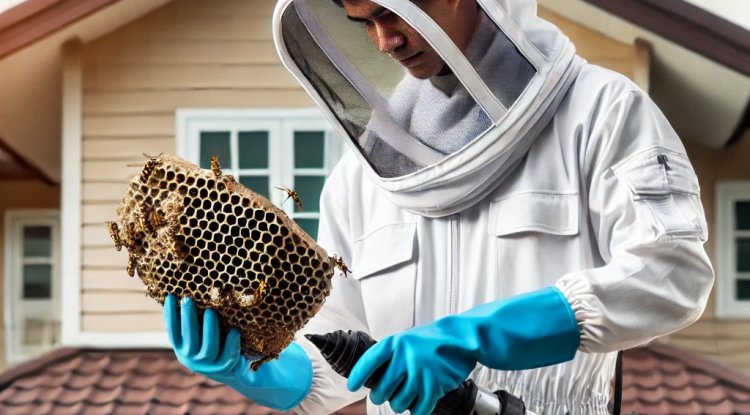
Pest Control Strategies in Texas (Updated 2025)
Learn effective pest control strategies in Texas to protect your home from termites, mosquitoes, rodents, and more. Discover common pests, prevention tips, and how professional pest control services can help. "Use pest control services for mosquitoes, ant, cockroaches, and rodents – Get 20% off, today only!"

Pest Control in Texas
Pest control in Texas is essential for homeowners and businesses alike, as the state’s unique climate fosters the proliferation of various pests. Whether you are dealing with termites, mosquitoes, or rodents, understanding effective pest control strategies can protect your property, health, and peace of mind. In this blog, we’ll cover the importance of pest control, common pests in Texas, prevention methods, and answers to frequently asked questions.
Why Pest Control is Vital in Texas
Texas experiences warm weather year-round, creating an ideal environment for pests to thrive. Effective pest control not only prevents damage to your home but also helps protect your family’s health. Here are some key reasons why pest control is critical in Texas:
- Health Risks: Many pests, such as mosquitoes and rodents, can carry diseases that pose health risks to humans and pets.
- Property Damage: Pests like termites can cause significant structural damage if left untreated, leading to costly repairs.
- Comfort and Peace of Mind: A pest-free environment is essential for a comfortable living space.
Common Pests in Texas
Understanding the common pests in Texas is the first step in effective pest management. Here are some of the most frequently encountered pests in the state:
1. Termites
Termites are notorious for their destructive feeding habits. Subterranean termites are particularly common in Texas and can compromise the structural integrity of your home.
2. Mosquitoes
Texas's warm climate provides an ideal breeding ground for mosquitoes. These pests not only cause annoying bites but can also transmit serious diseases like West Nile Virus and Zika Virus.
3. Ants
Ants, especially fire ants, are prevalent in Texas. Fire ants can deliver painful stings, while carpenter ants can damage wood structures.
4. Rodents
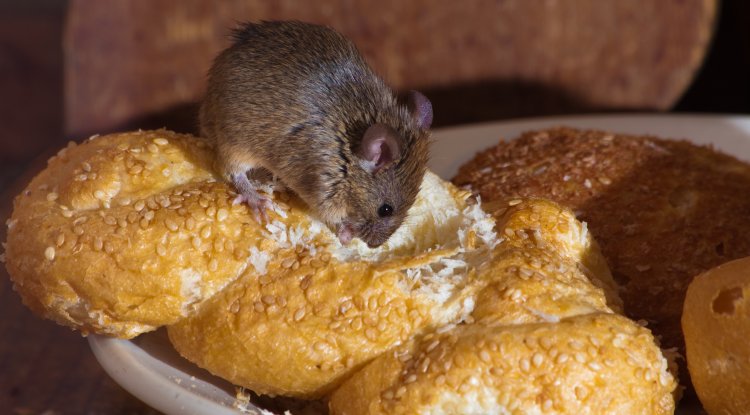
Mice and rats are common in urban and rural areas alike. They can contaminate food, damage property, and spread diseases.
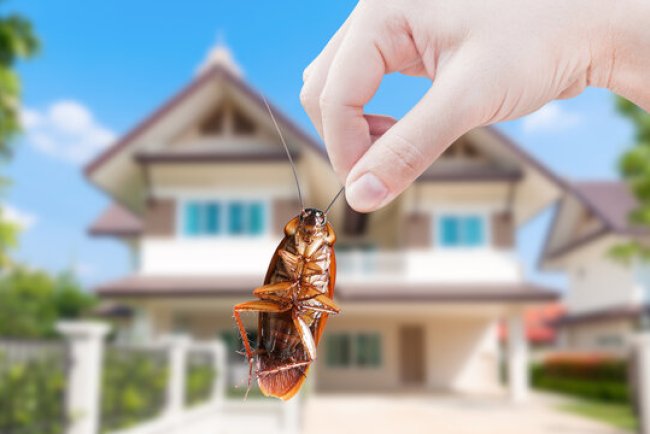
5. Cockroaches
Cockroaches thrive in warm, humid conditions. They are often found in kitchens and bathrooms and can trigger allergies and asthma in some individuals.
Effective Pest Control Strategies in Texas
Implementing effective pest control strategies is crucial for managing pest populations. Here are some recommended methods:
1. Regular Inspections
Routine inspections by pest control professionals can help identify early signs of pest infestations. Catching problems early can prevent larger issues down the line.
2. Pest-Proofing Your Home
Sealing cracks and gaps in your home can prevent pests from entering. This includes weather stripping doors, repairing window screens, and sealing utility openings.
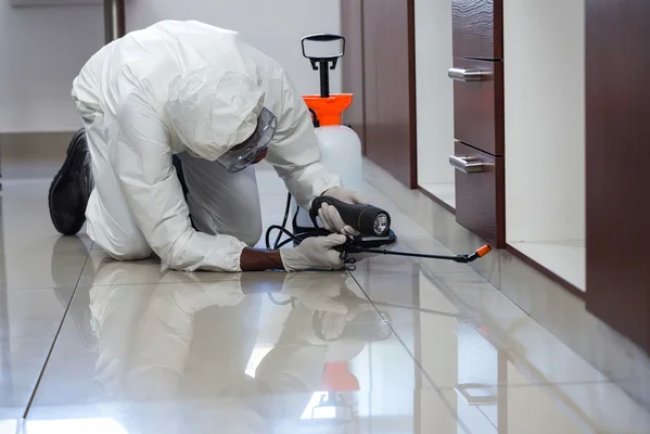
3. Professional Pest Control Services
Hiring a professional pest control service can be a wise investment, especially for severe infestations. Companies like OWS Repair offer tailored solutions for common Texas pests, ensuring effective treatment.
4. Yard Maintenance
Keeping your yard well-maintained can deter pests. Trim bushes, remove debris, and eliminate standing water to create a less inviting environment for pests.
5. Proper Waste Management
Ensure trash cans are sealed and waste is disposed of regularly. This reduces the chances of attracting pests like rodents and insects.
Frequently Asked Questions (FAQs)
1. How often should I schedule pest control treatments in Texas?
It is recommended to have pest control treatments every three months due to Texas’s warm climate. However, if you experience frequent infestations, monthly treatments may be necessary.
2. What are the best ways to prevent termites in Texas?
To prevent termites, conduct regular inspections, maintain proper drainage around your home, keep wood away from the foundation, and consider preventative treatments such as termiticides.
3. Can I handle pest control on my own?
While DIY methods can be effective for minor issues, severe infestations usually require professional intervention to ensure complete eradication.
4. Are pest control treatments safe for pets and children?
Most modern pest control treatments are safe for pets and children when applied correctly. Always consult with your pest control provider about safety measures.
5. How long does a pest control treatment last?
The effectiveness of pest control treatments can vary based on the type of pest and treatment used. Generally, treatments can last from a few weeks to several months.
6. What should I do before a pest control treatment?
Before treatment, clear any clutter around the treatment area, move furniture as necessary, and ensure pets and children are kept away during and shortly after the application.
7. How do I choose a pest control company in Texas?
When selecting a pest control company, look for licensed professionals with good reviews, experience in handling your specific pest problem, and eco-friendly options.
Conclusion
Pest control in Texas is crucial for maintaining a safe and healthy home. By understanding the common pests in the area and implementing effective prevention and control strategies, you can protect your property from potential damage and health risks. Whether you choose to handle pest control on your own or hire a professional service, staying proactive is key to a pest-free environment.
Contact OWS Repair today for reliable pest control services tailored to the unique needs of Texas homeowners. Let us help you keep your home safe and comfortable from unwanted pests.