Pandemic Pests Are Taking Over Low-Income Housing (Updated 2025)
Pests are invading low-income housing post-pandemic. Learn how Pest Control Service Limited is helping tenants fight back against this silent invasion.
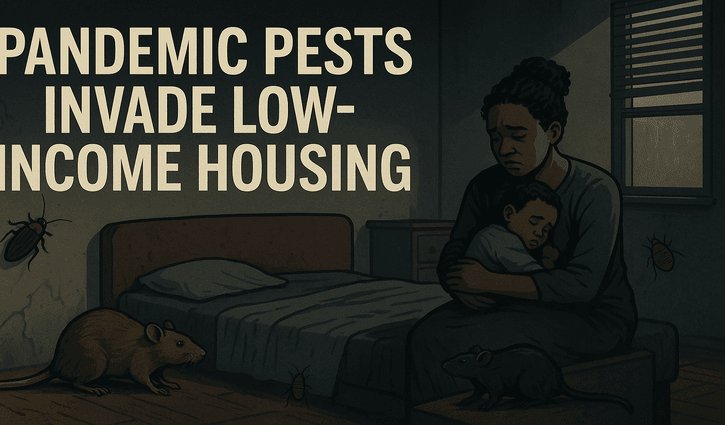
Pandemic Pests Invade Low-Income Housing
Introduction
The COVID-19 pandemic changed nearly everything about how we live—and now, it’s changing how pests behave, too. Here at Pest Control Service Limited, we’re witnessing a troubling surge in infestations, especially in low-income housing communities where delayed maintenance and tight budgets are opening the doors (literally!) to cockroaches, rodents, and bed bugs.
Why the Pest Problem Has Gotten Worse
When everything shut down, so did routine maintenance and extermination schedules. Many tenants were stuck at home, generating more trash and moisture—perfect conditions for pests to thrive.
Who’s Affected Most by These Pests
Unsurprisingly, it’s the most vulnerable—families living paycheck to paycheck, elderly residents with limited mobility, and tenants in underfunded apartment complexes—who are getting hit the hardest.
The Surge in Infestations Post-Pandemic
COVID-19’s Lasting Effect on Housing Conditions
The ripple effects of COVID-19 include everything from labor shortages in exterminator services to long-overdue repairs in housing units. This delay has created a perfect storm for pests.
Delays in Maintenance and Extermination
Many housing authorities and landlords paused or reduced pest control efforts during lockdowns—and some still haven’t caught up.
Types of Pests Plaguing Tenants
Cockroaches—The Most Common Intruders
They’re fast, sneaky, and they multiply like crazy. Cockroaches are thriving in poorly ventilated, food-rich environments in urban apartments.
Rodents Running Rampant
Rats and mice have increased their territory, finding easy access through cracks and utility lines, especially in older buildings.
Bed Bugs Making a Comeback
After a lull during the pandemic, bed bugs are back, brought in through second-hand furniture or returning tenants.
How Pests Affect Low-Income Residents
Health Risks
Pests don’t just gross you out—they spread diseases like salmonella and hantavirus, and trigger asthma and allergies.
Emotional and Mental Toll
Living in an infested home is exhausting. Many tenants report feeling anxious, ashamed, and helpless.
Financial Impact
From replacing mattresses to missing work due to illness, pest problems can drain tight budgets fast.
Pest Control Service Limited’s Response
Our Mission and Core Values
We don’t just kill bugs. At Pest Control Service Limited, our goal is to restore safety, dignity, and comfort to every client’s home.
Specialized Services for Apartment Complexes
We offer block-wide treatments, emergency callouts, and routine inspections to stay ahead of pest problems.
Affordable Pest Control Plans
Everyone deserves to live in a pest-free home. We offer budget-friendly monthly plans tailored to low-income housing.
Real Cases: What We’ve Seen on the Ground
Infestation in Urban Housing Blocks
One building we treated had a cockroach nest the size of a basketball behind the refrigerator. Tenants were afraid to sleep.
Elderly and Disabled Residents in Danger
Another case involved rodents chewing through wires in a senior living facility. Our team stepped in immediately.
Education and Prevention for Tenants
Simple Daily Habits to Keep Pests Away
-
Seal food tightly
-
Take trash out daily
-
Wipe down counters and floors regularly
How to Report and Document an Infestation
Take photos, note dates, and send emails—create a paper trail in case legal action is needed.
Working with Property Managers and Landlords
Building Long-Term Pest Prevention Contracts
We partner with landlords to create sustainable pest control plans, not just one-time fixes.
Ensuring Tenant Safety and Compliance
Our services are child- and pet-safe, and we always follow state and local guidelines.
Government and Legal Responsibilities
What Rights Do Tenants Have?
In most areas, tenants have the right to live in a habitable, pest-free environment. Landlords are usually legally required to act.
Holding Landlords Accountable
If your complaints are ignored, file a report with local housing authorities or contact legal aid.
The Future of Pest Control in Urban Housing
Innovations in Pest Detection
We now use digital traps and thermal imaging to locate infestations before they spread.
Community Engagement and Public Health
We believe pest control is a public health issue, not just a nuisance—and we’re here to be part of the solution.
Conclusion
Pandemic-era neglect has opened the door for an explosion of pest activity, especially in low-income housing. At Pest Control Service Limited, we see it every day—and we’re committed to helping tenants and landlords reclaim safe, clean homes. If you’re dealing with unwanted guests of the six-legged or furry variety, don’t wait. Call us today.
FAQs
1. What should I do if my landlord ignores a pest problem?
Document the issue and report it to your local housing authority or health department.
2. Are pest control services safe for kids and pets?
Yes. We use eco-friendly, family-safe treatments whenever possible.
3. How often should a building be treated for pests?
Quarterly treatments are recommended, though high-risk buildings may need monthly visits.
4. Can I prevent pests without chemicals?
Yes. Good hygiene, sealing cracks, and proper waste disposal are great first steps.
5. What makes low-income housing more vulnerable to infestations?
Deferred maintenance, overcrowding, and limited landlord investment all contribute.