Organic Pest Control Methods That Actually Work (Updated 2025)
Discover organic pest control methods that actually work for your home and garden. Learn safe, eco-friendly ways to get rid of pests naturally.

Organic Pest Control Methods That Work
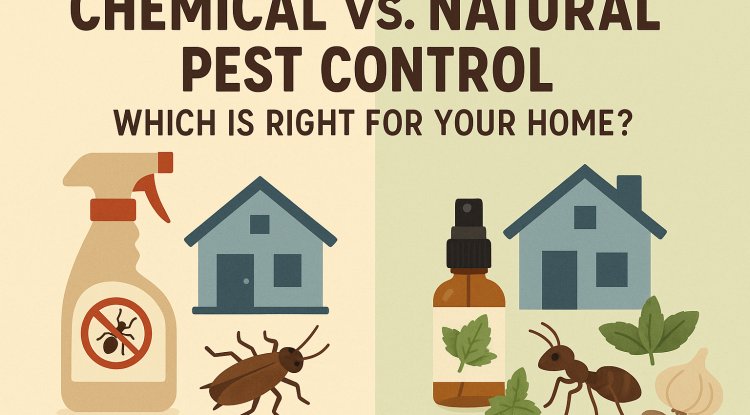
When the topic of pest control comes up, more homeowners are moving away from harsh chemical pesticides and embracing organic pest control methods. These natural alternatives are safer for your family, pets, and the environment. Whether it’s ants, aphids, roaches, or rodents—nature has effective solutions that truly work.
Below, we explore proven and tested organic methods of pest control using non-toxic ingredients and eco-friendly techniques.
Why Choose Organic Pest Control?
Conventional chemical pesticides can cause serious harm to human health, contaminate water sources, and destroy helpful organisms in the ecosystem. On the other hand, organic pest control is:
-
Safe for children and pets
-
Beneficial for organic gardening
-
Supportive of environmental sustainability
It promotes a healthy balance between pests and their natural predators—allowing your home or garden to thrive naturally.
1. Neem Oil – Nature’s Insecticide
Neem oil is derived from the neem tree and has been used for centuries as a powerful natural insecticide. It disrupts the life cycle of insects like aphids, spider mites, and whiteflies, stopping them from feeding and reproducing.
How to Use:
Mix 2 teaspoons of neem oil with 1 teaspoon of mild liquid soap in 1 liter of water. Spray this solution directly on infested plants every 7–10 days.
2. Diatomaceous Earth (DE)
Diatomaceous Earth is a fine, naturally occurring powder made from fossilized algae. It kills pests like ants, fleas, and cockroaches by dehydrating them.
How to Use:
Sprinkle food-grade DE along baseboards, behind appliances, and around pet bedding. Wear a mask while applying to avoid inhalation of the fine dust.
3. Garlic and Chili Spray
This simple homemade spray effectively repels pests such as caterpillars, beetles, and aphids.
How to Make and Use:
-
Blend 2 cloves of garlic and 2 chili peppers with water
-
Let it steep for 24 hours
-
Strain and add 1 tablespoon of liquid soap
-
Spray on infested plants or affected areas
4. Beneficial Insects
Nature comes equipped with its own pest control team—ladybugs, lacewings, and parasitic wasps. These beneficial insects feed on common pests and help restore garden balance.
How to Attract Them:
-
Plant nectar-rich flowers like dill, yarrow, and fennel
-
Avoid using broad-spectrum insecticides
-
Purchase and release beneficial insects if needed
5. Companion Planting
This gardening method involves planting certain crops together to naturally repel pests.
Examples of Companion Plants:
-
Basil repels mosquitoes and flies
-
Marigolds keep nematodes and aphids at bay
-
Chives deter Japanese beetles
-
Mint drives away ants and cabbage moths
Companion planting not only adds diversity to your garden but also strengthens its pest resistance.
6. Soap and Water Spray
One of the easiest and most effective remedies against soft-bodied pests like mites and aphids.
How to Use:
Dilute 1 teaspoon of mild liquid soap (like castile) in 1 liter of water. Spray directly onto the pests. The soap suffocates and disrupts insect membranes.
7. Sticky Traps and Physical Barriers
Sticky traps capture flying insects like whiteflies and gnats, while barriers prevent pest entry altogether.
Examples of Barriers:
-
Copper tape deters slugs and snails
-
Floating row covers protect plants from insects
-
Beer traps attract and drown slugs
These physical methods are highly effective in organic farming where chemical control is avoided.
8. Essential Oils
Essential oils such as peppermint, citronella, eucalyptus, and tea tree oil are excellent pest deterrents.
How to Use:
Add 10–15 drops of your chosen oil to a spray bottle filled with water. Use the spray near entry points, kitchen corners, or garden beds.
Final Thoughts
Organic pest control methods offer a safe, effective, and sustainable approach to managing household and garden pests. With consistent application and the right combinations, you can achieve a pest-free environment without relying on toxic chemicals.