Safe Pest Control Methods for Attics at Home (Updated 2025)
Discover safe and effective ways to control pests in your attic using natural repellents, traps, sealing methods, and maintenance without harsh chemicals.
Methods for Pest Control in the Attics that are Safe
Out of sight usually means out of mind for attics, but pest control in this case is something important to keep in mind. Attics provide an attractive housing environment for mice, insects, and even birds that thrive in warmth, darkness, and undisturbed areas. Unfortunately, an infested attic is a health hazard and can cause serious structural damage. The good news is that there are methods of pest-proofing that do not require the use of harsh chemicals. Here, we will look at environmentally friendly and effective pest-control methods for your attic.
What Attracts Pests to Attics?
Pests love attics because of the conditions:
Warmth against the cold
Nesting materials found in insulation and cardboard
Absence of human activity
Entry via vents, eaves, or gaps in the roof
Common attic pests include rats and mice, squirrels, bats, cockroaches, ants, spiders, and even raccoons. They can wreak havoc if untreated by chewing electrical wiring, spreading diseases, and causing property destruction.
Signs You Have an Infestation with Pests in the Attic
Before solutions may be thought of, it is necessary first to highlight some signs of attic infestation:
Droppings or signs of urine stains
Nesting materials (shredded paper, cloth, etc.)
Wires chewed, wooden structures, or insulation
Funky smells or shows (scratching or squeaking sounds)
Dead insects or carcasses
If you are seeing any one or more signs, then you must go on.
Safe Pest Control for the Attic-Good Measures
1. Seal All Entry Points
The most vital step in pest control is prevention. That is why a thorough inspection of your attic and the roof should involve:
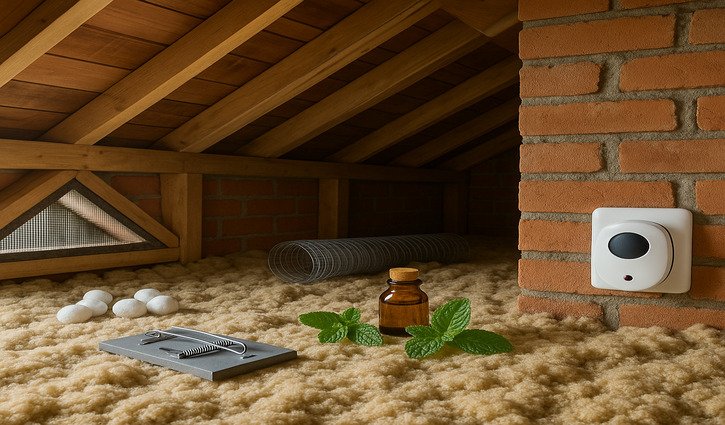
Seal gaps around pipes, vents, and chimneys
Install mesh screens on attic vents
Weather-stripping around windows and eaves
Close-off holes with steel wool or caulk-most especially for rodents.
Sealing off access points makes sure that pests will not find their way back after removal.
2. Natural Repellents
For many of the natural substances, the pests would get repelled without causing harm to household interests or the environment:
Peppermint oil: A wonderful rodent/spider repellent; soak cotton balls in it and place them in the attic.
Dried bay leaves: Affect insects like roaches and silverfish.
Vinegar spray: Foils ants and cockroaches.
Mothballs (though sparingly): For rodents, sparingly, but keep Them away from children and pets.
These are safe alternatives to chemical sprays and are easy to apply from time to time.
3. Set Humane Traps
If the group of pests has already settled in your attic, then humane traps offer the safest and most ethical way to go about it:
Live-catch traps for mice, rats, or squirrels
Sticky traps for insects (but safely placed out of reach of insulation and wires)
Once caught, relocate animals far away from your property. If you are professionally trained in handling them, give a call to someone.
4. Control Proper Ventilation and Light
What pests really love are darkened and damp settings. Favorable amounts of airflow or light can deter them from settling in:
Attic fans for moisture control
Motion-activated LED lights or UV pest repellents
Dry and functioning roof insulation
When kept dry and bright, the chances for pest occupation are greatly reduced.
5. Clear Clutter and Clean Very Well
Added clutter is a breeding ground for pest nests, therefore the attic should be cleaned out once a year:
Dispose of old newspapers, clothing, and cardboard.
Vacuum well, especially in corners and around beams.
Store items in airtight plastic containers as opposed to cardboard.
Disinfect the surfaces to eliminate all traces of foodstuffs or pheromones.
These extermination practices render the attic clean and less interesting to unwanted visitors.
6. Use Ultrasonic Pest Repellers
These devices project high-frequency sound waves Lord Murphy, fugly pests, malaise for others and humans cannot hear. They are non-toxic with easy installation. To be more effective, they should be used as close as possible to insulation and other vents or entry points.
7. Engage a Green Pest Control Professional
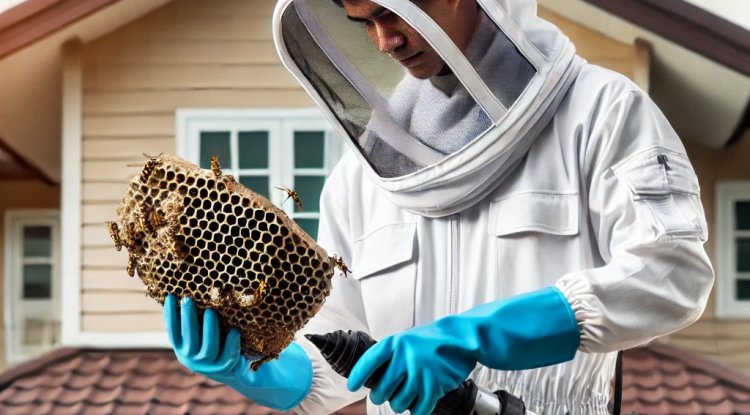
When all else has failed or cannot handle however the infestation is, do not even think about delaying asking for expert help. You are to choose an environmentally friendly pest control company, one that uses IPM (integrated pest management) methods with the least toxic poisons and makes use of prevention more.
The Final Word
Pest control in the attic need not be about introducing chemicals into your home. With a mix of preventive measures, suitable natural repellents, and simple maintenance, you may prevent pests in your attic with safety. Regular inspections and a little effort will ensure the safety of your home, health, and tranquility.