Eco-Friendly Pest Control for Urban Living (Updated 2025)
Discover safe and sustainable pest control methods for urban homes. Use natural repellents, traps, and green products to stay pest-free and eco-conscious.
Eco-Friendly Pest Control Solutions for Urban Homes
Urban life has its advantages-ease of access to services, public transport, and infrastructure. However, one major challenge urban dwellers face, whether homeowners or renters, is that of pest control. Cockroaches, ants, rodents, mosquitoes, and flies thrive in cluttered urban centres, due to the easy availability of food, shelter, and warmth.
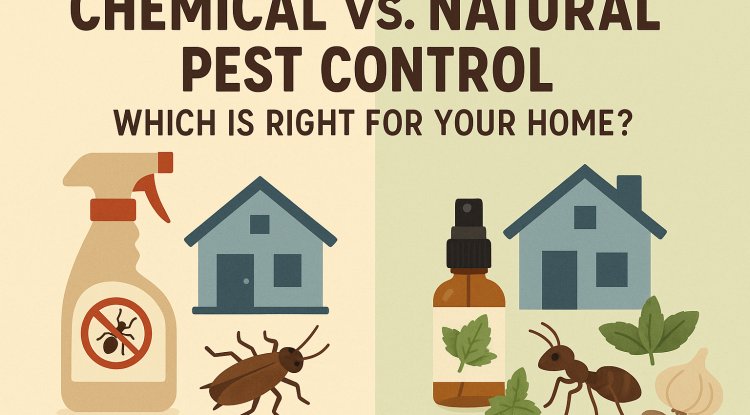
Much as chemical pesticide applications yield rapid results in controlling pest populations, they may cause injury or various forms of risks to the environment along with human beings and pets. In view of these risks, ecologically friendly pest control methods are gaining buzz for being safe, sustainable, and effective. This guide will examine eco-friendly techniques urban dwellers can adopt in their pest control measures without endangering their health or harming nature.
1. Prevention-the First Step
Preventing is an effective means employed to control pests. Make all efforts to deny entry to, and access of, food and water sources to these pests, thereby greatly reducing loads of infestation.
Eco-Friendly Prevention Suggestions:
Seal the entry points: Use caulk to seal ends on cracks around the windows, doors, and plumbing. Door sweeps should be put in, and damaged screens must be fixed.
Cleanliness of the house: One should sweep, vacuum, and mop the house regularly. Do not leave any dirty dishes in the sink and do not leave any food scraps sitting around.
Store food in airtight containers: The same goes for human food and pet food.
Garbage disposal: Use garbage cans with lids, dispose of garbage daily.
Leakage and dampness: Plumbing repairs in damp areas are very important, as they might attract cockroaches and mosquitoes.
2. Nature to the Rescue
Strong repellents against insects do exist in nature, and it is just a matter of channelling them away from synthetic chemicals. Many of them are up to the task while being quite safe and simple to make within your home.
Commonly used natural repellents:
Vinegar Spray: Equal solutions of vinegar and water spritzed onto areas infested by ants or fruit flies.
Peppermint Oil: Drench cotton balls in peppermint oil and place them close to points of entry to deter rodents and spiders.
Citrus Peels: Fleas and ants are repelled by orange and lemon peels, which can be placed in corners of a room or close to trash bins.
Bay leaves and Cloves: The two spices can be used against weevils and moths infesting foods in your pantry.
Neem oil: Biodegradable oil effective against mosquitoes, whiteflies, and many other garden pests.
3. Eco-Friendly Traps & Barriers
Rather than relying on poison and harsh chemicals, try to use physical traps and barriers that will do the job safely and effectively.
Different Examples Include:
Sticky Traps: Good for capturing flies and crawling insects, they contain no toxins and are directly disposable.
Glass Jar Traps: For fruit flies, use apple cider vinegar in a jar topped with perforated plastic wrap.
Copper Mesh: Stuff into holes or cracks where rodents might enter.
Baking Soda and Sugar Mixture: A natural cockroach bait that works by stomach poisoning without leaving harmful residues behind.
4. Biological Control
Biological control involves the use of natural predators to bring about a control action on the pest population. Although mostly in gardens, some techniques may be adapted for some situations in the urban arena.
Examples that can work in urban areas:
Introducing beneficial insects: On balconies or rooftop gardens, ladybugs, lacewings, and parasitic wasps can help control aphids and other pests of plants.
Soil nematodes: Tiny organisms that infect termite larvae and other soil-borne pests without damage to plants or pets.
5. Eco-Certified Pest Control Products
For severe infestations, you may encounter situations requiring pest control sprays or solutions. The good news is that not all of them are toxic. Look at organic options and those labelled as non-toxic and biodegradable.
Things to pay attention to:
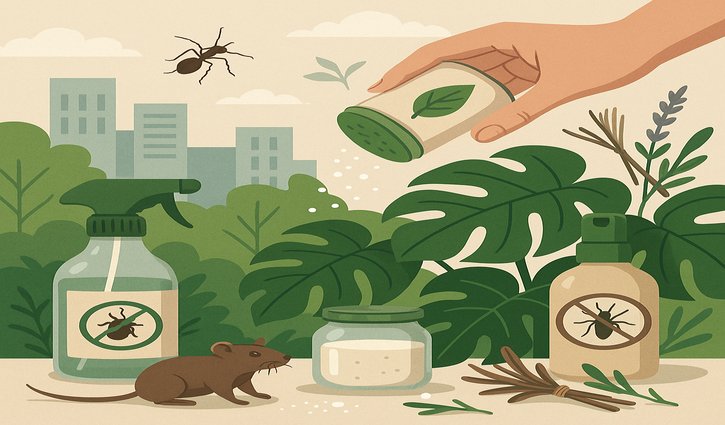
Essential oil-based sprays: Most use clove oil, rosemary, thyme or cedarwood.
DE (Diatomaceous Earth): A very fine powder formed from fossilized remains; it kills crawling insects through dehydration and is safe around pets and kids when handled correctly.
Boric acid: In small quantities, it is effective against ants and cockroaches-and hazardous to children only when left within reach.
6. Eco-Conscious Professional Pest Control
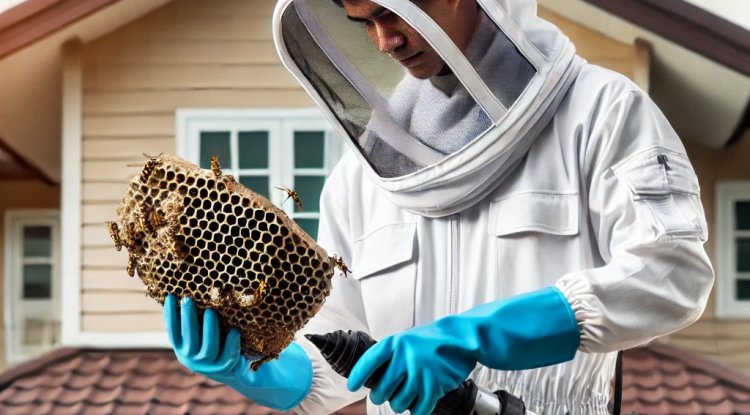
- If nothing works for you, consider hiring an eco-friendly pest control company. Several new-age pest control companies offer green solutions deploying heat treatments, mechanical traps, and botanical-based sprays.
- Questions You May Want to Ask Your Provider:
- Do you use EPA registered green products?
- Are your methods safe for pets and children?
- What approach do you take for long-term pest prevention?
7. Urban Gardening and Pest Deterrence
In many urban places, small gardens, balconies, and terraces can be found in the homes. If you do grow herbs, vegetables, or plants, companion planting can naturally deter pests.
Companion Planting Tips:
Basil is said to repel flies and mosquitoes.
Marigold is said to deter aphids and whiteflies.
Lavender is said to keep away moths and fleas.
You can also introduce herb spirals or vertical gardens to maximize space and reduce soil-borne pest issues.
Final Thoughts
Urban homes do not need to be poisoned to be pest-free. Eco-friendly pest control solutions are methods that can aid in not compromising your health or your environment, such as preventive measures, natural remedies, sustainable trapping methods, and biological control.