Can I Do Pest Control Myself? What Is Natural Pest Control? (Updated 2025)
Learn when to handle pest control yourself and when to seek professional help. Discover natural pest control methods for a safer, eco-friendly approach.
Can I Do Pest Control Myself? What Is Natural Pest Control?
Pest control is essential for maintaining a clean and safe living environment. Whether it’s ants in the kitchen, rodents in the attic, or mosquitoes in the yard, pests can be a real nuisance. The question many homeowners face is whether they can handle pest control themselves or if professional help is necessary. In addition, there’s a growing interest in natural pest control methods as people look for safer and more eco-friendly solutions.
Can I Do Pest Control Myself?
The answer is yes, you can do pest control yourself in many situations, especially when the problem is small and manageable. DIY pest control involves using home remedies, store-bought solutions, or simple preventative measures to keep pests at bay. Here’s when DIY methods work best:
-
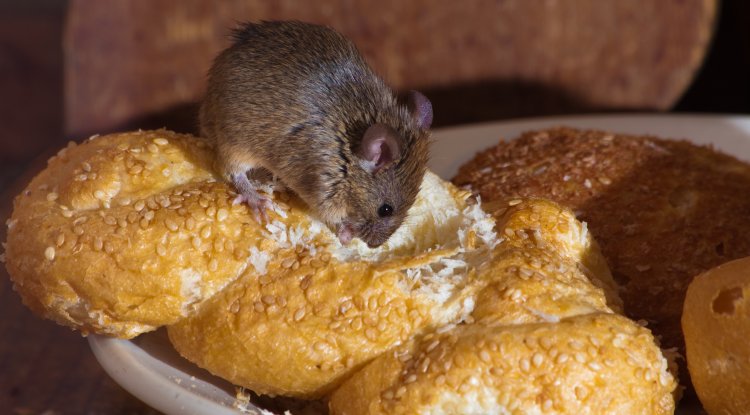
Minor Infestations: If you notice a few ants or a single mouse, you may be able to manage it with traps or repellents.
-
Preventative Measures: Regular cleaning, sealing entry points, and using natural repellents can help prevent infestations.
-
Non-Hazardous Pests: Dealing with insects like ants or fruit flies can often be done without professional intervention.
Pros of DIY Pest Control
-
Cost-Effective: Buying traps or making homemade repellents is usually cheaper than hiring a professional.
-
Immediate Action: You can address the problem right away without waiting for an appointment.
-
Control Over Products: You choose the pest control methods that suit your preferences and safety standards.
Cons of DIY Pest Control
-
Lack of Expertise: You might misidentify the pest or use the wrong method.
-
Temporary Fix: DIY methods may not address the root cause, leading to recurring issues.
-
Safety Concerns: Some DIY treatments, like chemical sprays, can be harmful if not used correctly.
What Is Natural Pest Control?
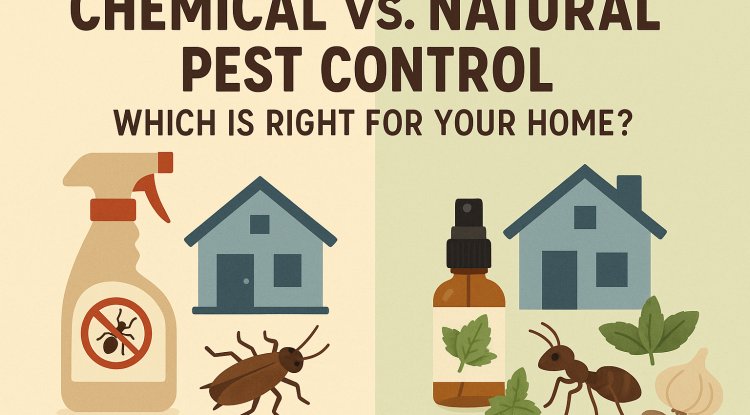
Natural pest control focuses on using non-toxic, environmentally friendly methods to repel or eliminate pests. It is gaining popularity due to growing health concerns and the desire to reduce chemical exposure.
Common Natural Pest Control Methods:
-
Essential Oils: Scents like peppermint, eucalyptus, and citronella repel insects.
-
Diatomaceous Earth (DE): This natural powder kills pests by dehydrating them.
-
Herbal Remedies: Plants like lavender, basil, and mint naturally deter pests.
-
Homemade Sprays: Vinegar and baking soda mixtures can eliminate ants and other insects.
-
Physical Barriers: Using screens, sealing cracks, and removing food sources are effective natural strategies.
Benefits of Natural Pest Control:
-
Safe for Families and Pets: No toxic chemicals involved.
-
Environmentally Friendly: Reduces the impact on wildlife and ecosystems.
-
Cost-Effective: Many natural solutions use common household items.
Limitations:
-
Not Always Effective: Natural methods may work slower or be less potent than chemical treatments.
-
Requires Consistency: Regular application is often needed to maintain effectiveness.
-
Limited Scope: Severe infestations may require stronger interventions.
When to Call a Professional
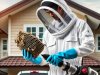
While DIY methods and natural pest control can be effective for minor issues, some situations require expert assistance:
-
Severe Infestations: Large numbers of pests that are difficult to control.
-
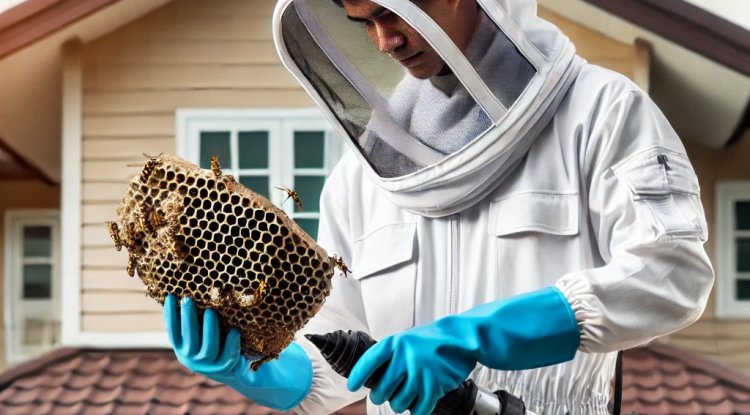
Dangerous Pests: Dealing with venomous spiders, wasps, or large rodent populations.
-
Health Risks: Infestations that pose a risk to health, like bedbugs or cockroaches.
-
Property Damage: When pests are causing structural damage, such as termites.
Final Thoughts
Doing pest control yourself can be effective for minor problems and preventative measures. Natural pest control offers a safer, eco-friendly alternative to chemical methods. However, when infestations become severe or involve hazardous pests, it’s best to seek professional help. Evaluating the situation and choosing the right method will help you maintain a safe, pest-free home.