Biological Pest Control: Nature’s Natural Solution (Updated 2025)
Discover how biological pest control uses natural predators and eco-friendly methods to manage pests safely and sustainably for long-term protection.
Biological Pest Control: Fighting Nature with Nature
When any pest control comes to mind, immediate thoughts go to chemicals or sprays. But biological pest control, which is as age-old as the very techniques of pest control themselves, is far more sustainable. Biological means literally using natural enemies-predators, parasites, or pathogens-to limit damage done to the environment, crops, or non-targeted species while keeping pest population under check.
So, let us examine precisely what biological pest control is, how it operates, and why this control method is becoming increasingly preferred by scientists, environment-conscious farmers, and gardeners alike around the globe.
The Biological Pest Control Defined
Biological pest control is a sort of pest management whereby the naturally occurring predators, parasites, or diseases keep pest populations under control instead of using synthetic pesticides. In this system, the food web is allowed to act naturally for restoring ecological balance.
The biological pest control method has existed for centuries; however, with advancements in technology, these methods gained recent popularity and are now peerless in improving safety standards in the management of agricultural land, gardens, greenhouses, and urban environments.
Types of Biological Control Agents
Biological pest control divides agents employed to kill pests into three major categories:
1. Predators
These are animals that eat the pests. Some of them are:
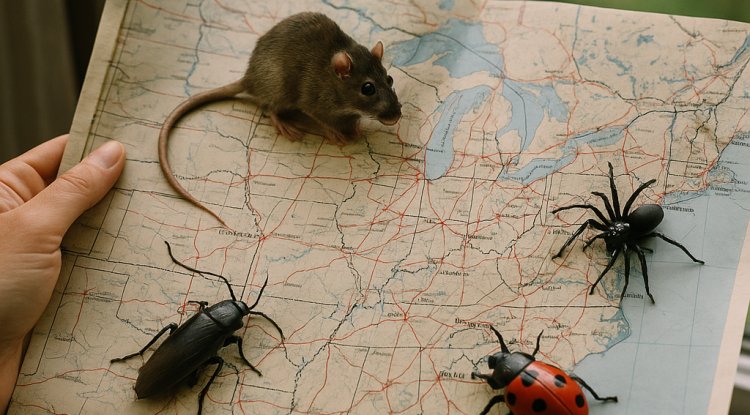
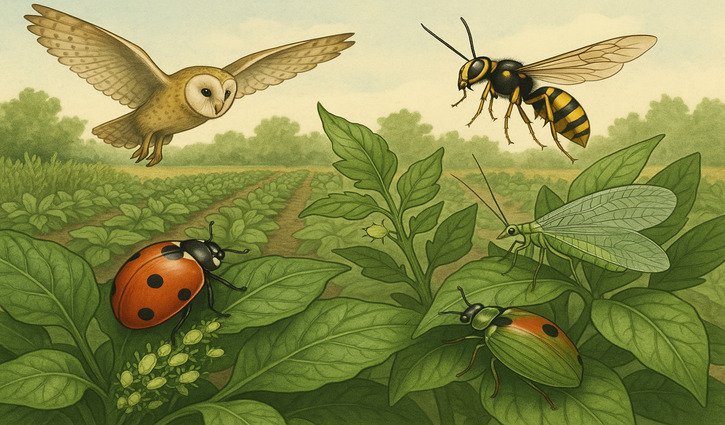
Ladybugs feed on aphids, mites, and whiteflies.
Lacewing larvae feed on insect eggs and soft-bodied pest species.
Spiders and birds prey on a wide range of insects.
2. Parasitoids
They deposit eggs on or in the pest and the larvae feed from within the host- killing it in the process. One instance would be;
Parasitic wasps: Tiny wasps that kill aphids, caterpillars, and beetles while being harmless to humans.
3. Pathogens
They consist of organisms like fungus, bacteria, and virus which infect the pests. Some examples include:
Bacillus thuringiensis (Bt): A bacteria that infects and kills caterpillars, mosquitoes, and larvae of beetles.
Beauveria bassiana: A fungus that infects several insect pests, leading to their slow death.
Types of Biological Pest Control
Natural enemies are brought into the immigrant environment and/or preserved as existing ones. Certain basic strategies of biological control are inherent.
1. Classical Biological Control
This involves importation and release of natural enemies from the pest's home range. It’s considered a device to be instituted upon when an insect pest became invasive and a nuisance. As an example, California´s cottony cushion scale was controlled by the introduction of the Vedalia beetle from Australia.
2. Augmentative Biological Control
Here, some beneficial organisms would be kept by mass-rearing and released at the most useful times for a crop cycle; for instance, there would be the release of predatory mites in greenhouses controlling spider mites.
3. Conservation Biological Control
Planting flowering plants that furnish nectar to parasitic wasps, or creating hedgerows and cover crops that furnish shelter to them are all strategies of Conservation biological control.
Advantages of Biological Pest Control
Eco-friendly: There remains no pollution through harmful chemical residues.
Target-specific: Slender chances of causing harm to beneficial insects, pollinators, and pets.
Sustainable: Usually, it proffers long-term pest control with little maintenance.
Safe for humans: Such control methods pose no harm to homeowners, farmers, or workers.
Majority of biological pest control methods are used in organic farming systems and integrated pest management (IPM) programs, wherein chemical use is to be minimized.
Challenges and Considerations
However, biological pest control also has its drawbacks.
Delayed action: Natural enemies may take time to establish themselves and reduce pest populations.
Weather: Their success depends upon weather conditions, crop types, and ecological balances.
Upfront: Some commercially available beneficial insects may need an initial capital outlay.
Surveillance: It requires great surveillance to assess pest and predatory population numbers.
Biological pest control is an effective and eco-friendly option when combined with other control techniques.
Common Uses for Biological Control in Agriculture and Urban Areas
Biological pest control finds wide application:
Organic agriculture: Especially on such crops as fruits, vegetables, and wildlife.
Home horticulture: Ladybugs, nematodes, and predacious mites can be bought in gardening supply stores.
Urban pest control: Populations of mosquito larvae ponded or within drains may employ bacteria such as Bti.
Forestry: Biological agents are induced to combat tree borers and invasive pests.
In Conclusion
Biological pest control proves that nature always has a solution to its challenges. By utilizing natural predators and pathogens to combat pests, we can protect crops, homes, and ecosystems without the risks posed by synthetic chemicals.