An Overview of Aphids
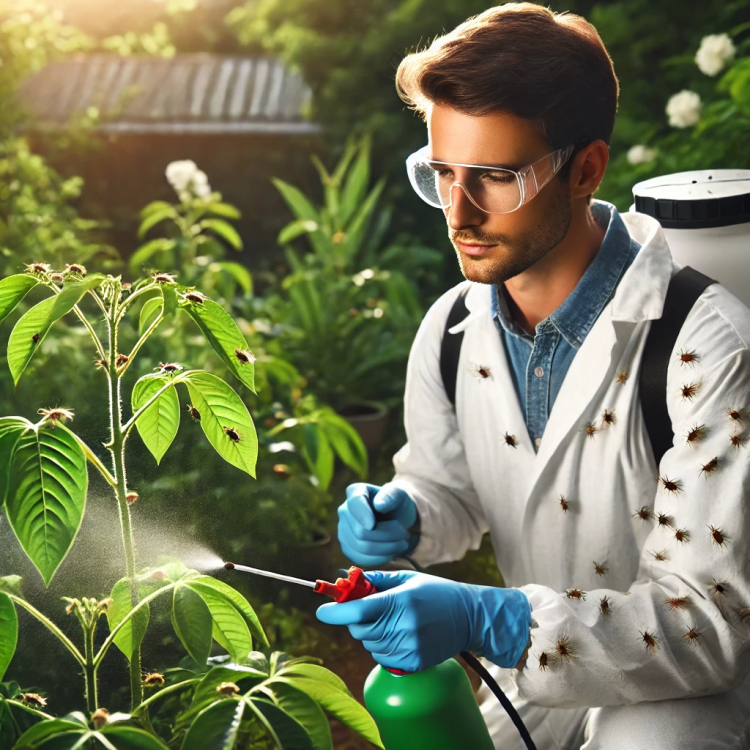
Aphids, or Aphidoidea, are small, soft-bodied insects that harm plants through sap feeding. They are generally more common in Georgetown, with vegetables, fruits, flowers, and ornamental shrubs being the plants attacked by these lesser pests. They multiply at an alarming rate and could seriously injure plants by sap hurting the plants, transmitting their diseases, and producing honeydew leading to the growth of mold.
Commonly Found Aphids in Georgetown
1. Green Peach Aphid (Myzus persicae)
- Found on vegetables, stone fruits, and flowers.
- Can transmit plant viruses.
- Color usually yellow-green but can turn pink or red.
2. Black Bean Aphid (Aphis fabae)
- Infests beans, beets, sunflowers, and ornamentals.
- Identified by its black or dark brown body.
- Forms conspicuous colonies on stems and undersides of leaves.
3. Cabbage Aphid (Brevicoryne brassicae)
- Prefer cruciferous, cabbage-like vegetables.
- Found grayish-green with waxy secretion.
- Eventually stunt growth and deform plants.
4. Cotton/Melon Aphid (Aphis gossypii)
- Attacks melons, cucumbers, squash, and cotton.
- Can be light yellow to dark green.
- Transmits several plant diseases.
5. Potato Aphid (Macrosiphum euphorbiae)
- Seen on potatoes, tomatoes, and eggplants.
- Large-bodied species of green or pink aphids.
- Leaf curling and stunted growth.
Signs of Aphid Infestation
1. Leaves Yellowing and Curling
Aphids extract sap from plants, depriving the plant of nutrition that is very important to its life. Thus, weakened plants show yellowing, curling, and distortion of the leaf shape.
2. Sticky Honeydew Residue
They excrete honeydew onto the leaves and stems; this attracts ants and supports the growth of black sooty mold.
3. Stunted Growth
Heavy attacks weaken the plants, resulting in slow development, reduced fruit size, and minimal yield worthless.
4. Ants are Present
Ants are widely observed around aphid-infested plants, as they take food from the honeydew. Thus, the presence of ants can create a strong indication of an aphid problem.
5. Bunching of Aphids
Aphids are generally seen massed in huge numbers on the undersides of leaves, stems, and flower buds.
Methods of Preventing and Curbing Aphid Outbreaks in Georgetown
1. Natural Predators
- Ladybugs, lacewings, and parasitic type of wasps eat aphids.
- Plant flowers that are rich in nectar to lure them.
2. Horticultural Oils and Insecticidal Soaps
- Neem oil/insecticidal soap should be applied on all affected plants.
- Such treatments will smother aphids but not harm beneficials.
3. Removal of Infested Leaves and Stems
- Cut out areas of heavy infection to help lower the aphid population.
- Dispose of plant material in a proper way.
4. Spray Plants with Water
- A strong spray of water should dislodge aphids from such plants.
- Continue spraying daily in order to keep the population low.
Conclusion
Aphid control in Georgetown requires a proactive approach that includes natural predators, physical removal, organic treatments, and preventative measures. By implementing these strategies, homeowners and farmers can protect their plants and maintain healthy, thriving gardens.