Pest Control in Florida | Mealybug (Updated 2025)
Looking for the best pest control in Florida? Our expert team provides eco-friendly solutions for termites, mosquitoes, rodents, and more. Ensure your home is pest-free with our comprehensive pest management services. Contact us today for a consultation!
Infestation and Little Bugs Management
What are Mealybugs?
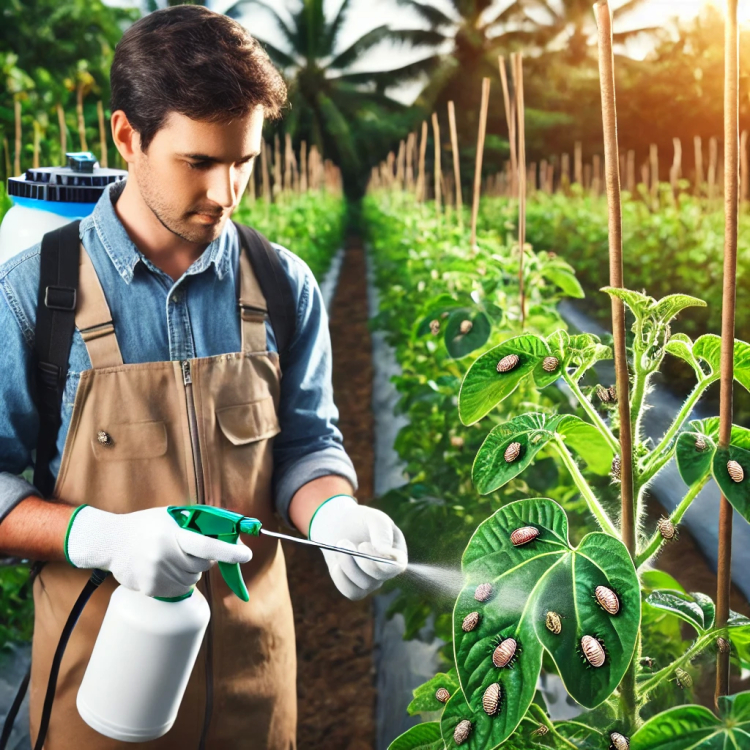
Mealybugs are little soft-bodied insects belonging to the family Pseudococcidae. They stay protected under a firm white powdery wax from any unfavorable weather as well as certain insecticides. These pests suck plant sap, hence weakening the host, eventually resulting in parallel growth, yellowing leaves, and sometimes death. Florida's warm and humid climate is a good breeding ground for mealybugs, thus making these shabby little but growing giants a permanent threat to agriculture, houseplants, and even ornamental plants.
Common Mealybug Species in Florida
1. Citrus Mealybug (Planococcus citri)
- The most common mealybug species in Florida.
- Infect citrus trees, ornamental plants, and greenhouse crops.
- Causes sooty mold growth as a result of honeydew secretions.
2. Longtailed Mealybug (Pseudococcus longispinus)
- It is easily recognized by the long waxy filaments hanging down from its body.
- Attacks a wide variety of house and gardens fruit trees.
- Population can multiply very fast since it can reproduce without mating.
3. Pink Hibiscus Mealybug (Maconellicoccus hirsutus)
- It is known as the monster invasive mealybug which causes great deformities in plants.
- Attacks hibiscus, citrus, and many other tropical plants.
- It injects toxic saliva into plants that curls and distorts the leaves.
4. Madeira Mealybug (Phenacoccus madeirensis)
- Generally spread in greenhouses and on indoor plants.
- Attacks vegetables, ornamentals, and all types of fruit-bearing plants.
- Causes wilting, leaf drop, and lower production of fruits.
Signs of Mealybug Infestation
1. White, Cotton-Like Masses on Plants
- Accumulations of mealybugs on leaves, stems, and surfaces of fruits.
- These cotton-like masses will protect the bars or nymphs from predation.
2. Yellowing and Wilting of Leaves
- By sucking plant sap, mealybugs remove the mineral and nutrient content from it, making the plant lose its vitality.
- The plants thus show curling, wilting, and premature dropping of leaves.
3. Sticky Honeydew and Sooty Mold
- This sugary secretion is known as honeydew.
- Honeydew has the effect of attracting ants and also promotes the extension of the black sooty mold.
4. Stunted Growth and Deformed Fruits
- Heavy infestations can make massive distortion of new growth.
- The fruits may become deformed or discolored or drop prematurely.
Control and Prevent Mealybugs in Florida
1. Natural Predators and Biological Treatment
- Introduce ladybugs, lacewings, and parasitic wasps to control mealybug populations.
- Keep birds and beneficial insects in gardens that prevent infestations.
2. Neem Oil and Insecticidal Soaps
- Spray neem oil or insecticidal soap directly onto affected plants so that mealybug life cycles can be interfered with better.
- Treatments are to be done in the early morning or late evening.
3. Solution of Alcohol and Water
- Dip cotton swab ends in isopropyl alcohol and apply it directly to infected mealybugs.
- Mix alcohol with water and spray over strips of infested areas.
4. Pruning and Plant Maintenance
- Drastic pruning should be done on heavily infested leaves and stems.
- Over-fertilization should be avoided on plants, as excessive nitrogen attracts mealybugs.
5. Regular Inspection and Quarantine
- Inspect new plants before introducing them to gardens or greenhouses.
- Isolate infected plants to prevent mealybugs from spreading to healthy vegetation.
By implementing these preventive and control measures, Florida homeowners and farmers can effectively manage mealybug infestations and protect their plants from severe damage.