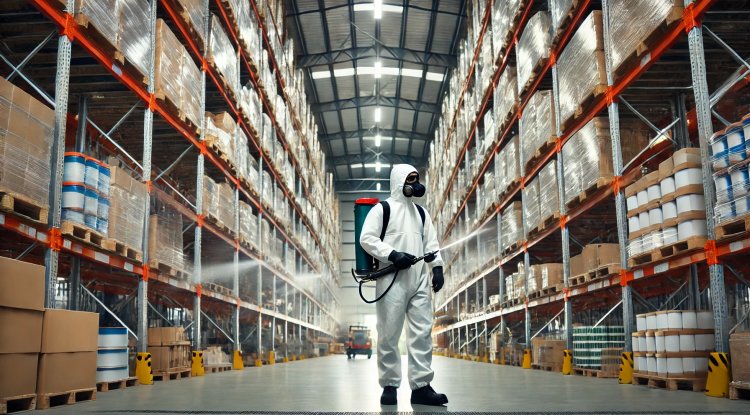
How Chemical Pest Control Works – Safety, Effectiveness & Best Practices (Updated 2025)
Learn how chemical pest control works, including safety protocols, effectiveness, and the best use cases for residential and commercial pest management.
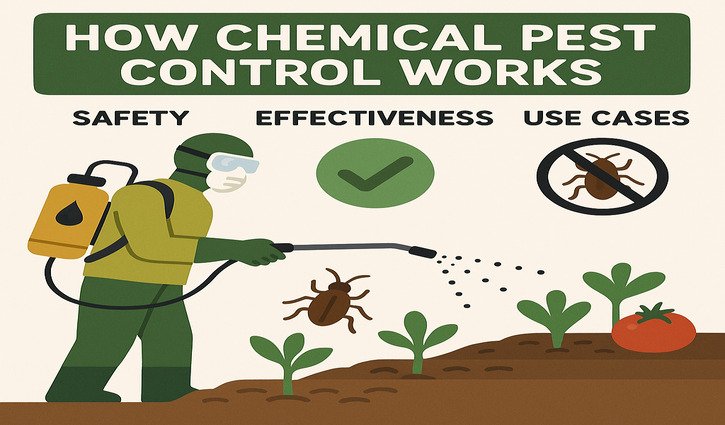
How Chemical Pest Control Works: Safety, Effectiveness & Use Cases
When pest infestations become overwhelming, many homeowners and business owners turn to chemical pest control for immediate relief. Whether it’s cockroaches in your kitchen, termites inside your walls, or bed bugs in hotel rooms, pesticides are one of the fastest and most reliable pest management solutions available.
But how exactly do chemical pesticides work? Are they safe? And when are they the right choice?
This blog explores the science, safety, effectiveness, and appropriate use cases for chemical pest control in both residential and commercial environments.
What Is Chemical Pest Control?
Chemical pest control refers to the use of synthetic or naturally derived pesticides that are specifically formulated to:
-
Kill pests
-
Repel them
-
Prevent their breeding or development
Pesticides come in several forms, including:
-
Sprays and aerosols
-
Dusts and powders
-
Baits and gels
-
Fumigants and foggers
-
Granules and liquid soil treatments
These products can be tailored to target a wide range of pests—from insects and rodents to fungi and weeds—depending on the infestation’s size and scope.
How Chemical Pesticides Work
Chemical pesticides work in several different ways, and they can be classified into the following categories:
1. Neurotoxins
These interfere with a pest's nervous system, resulting in paralysis and death. Pyrethroids, a common household pesticide, are widely used for ants, roaches, and spiders.
2. Growth Regulators
These chemicals stop pests from maturing or reproducing, breaking the life cycle without killing adult insects. They’re great for long-term pest management.
3. Desiccants
Products like diatomaceous earth dry out pests by damaging their outer shell. These are generally considered low in toxicity and safe for indoor use.
4. Biochemical Pesticides
Derived from natural substances like plant oils or microbial agents, these are safer alternatives to synthetic pesticides and are still regulated as chemicals.
Is Chemical Pest Control Safe?
Yes—when applied correctly by licensed professionals, chemical pest control is generally safe. Today’s pest control companies follow strict safety protocols to reduce risk to people, pets, and the environment.
Common Safety Measures Include:
-
Using EPA-approved chemicals with low toxicity
-
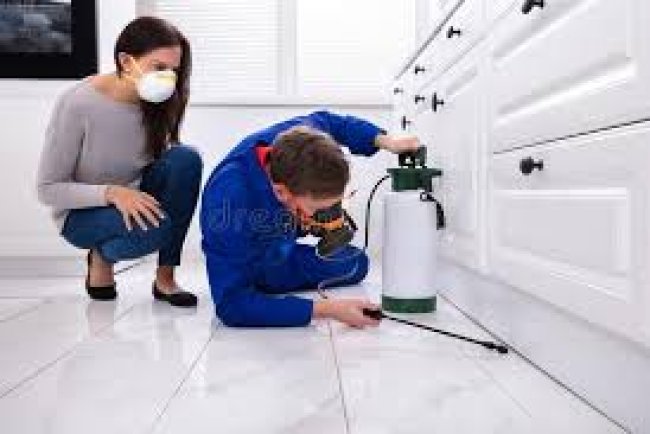
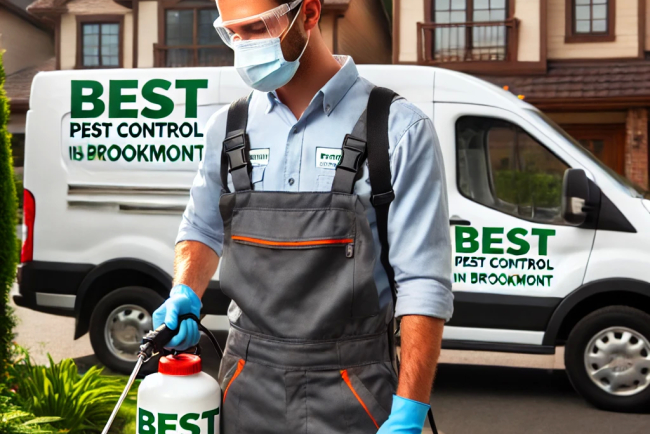
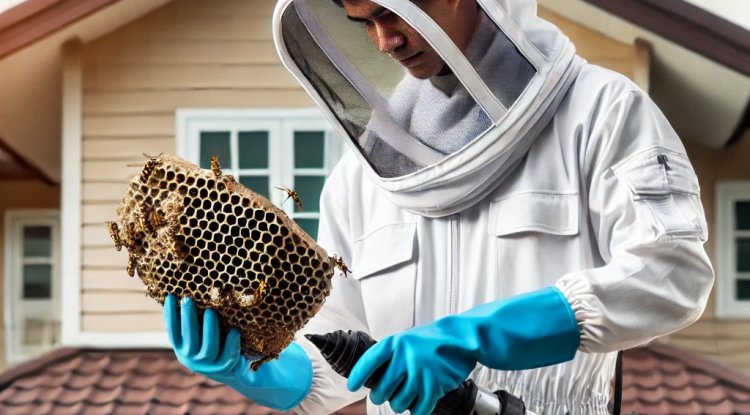
Wearing protective gear (gloves, masks, goggles)
-
Applying correct dosages and methods to minimize exposure
-
Ensuring proper ventilation and drying time before re-entry
-
Providing access to labels and safety data sheets (SDS)
For sensitive locations like schools, hospitals, and homes with children or pets, many companies offer low-impact or organic alternatives.
Effectiveness of Chemical Pest Control
Chemical pest control is one of the most effective pest removal solutions available. Key benefits include:
-
Rapid action: Works within hours of application
-
Broad spectrum: Effective against many pest species
-
Residual protection: Continues working for weeks or even months
-
Scalability: Suitable for both small residential homes and large industrial sites
However, pests can develop resistance over time. To prevent this, professionals often rotate chemicals and incorporate Integrated Pest Management (IPM) strategies.
When to Use Chemical Pest Control
Chemical pest control is especially effective in the following scenarios:
1. Severe Infestations
When pests have penetrated deeply into your home—walls, crawl spaces, or furniture—chemical treatment is often the only viable solution.
2. Commercial Settings
Restaurants, hotels, warehouses, and food processing units rely on pesticides to maintain hygiene and regulatory compliance.
3. Termite Control
Subterranean termites often require soil treatments or wood injections with termiticides to fully eliminate colonies.
4. Seasonal Pest Surges
During warm months, chemical barriers and perimeter sprays help prevent ants, mosquitoes, and other seasonal pests from entering.
Limitations and Considerations
Despite its benefits, chemical pest control has some limitations:
-
Potential health risks if overused or misapplied
-
Environmental concerns, especially regarding runoff and pollinator impact
-
Pest resistance with frequent or improper application
-
Temporary fix if the root cause of infestation is not addressed
This is why it’s crucial to combine chemical control with preventive strategies, such as sealing cracks, removing food sources, and regular monitoring.
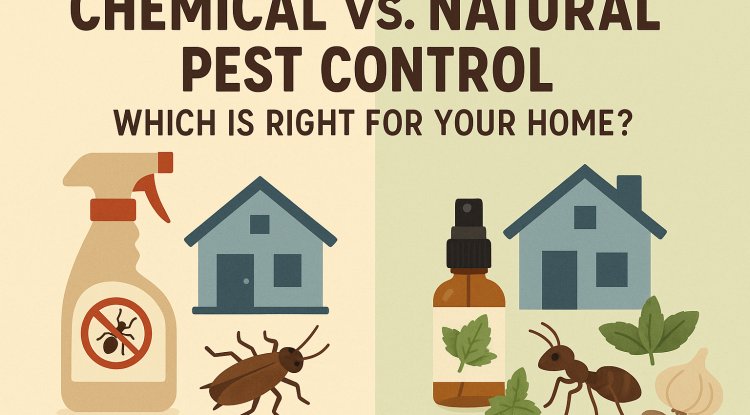
Alternatives to Chemical Methods
For those wary of chemical use, consider these alternatives:
-
Mechanical controls: traps, screens, and physical barriers
-
Biological controls: beneficial insects or natural predators
-
Organic pesticides: plant-based solutions with lower toxicity
-
Preventive measures: routine inspections, sealing entry points, and good sanitation
A licensed pest control professional can help tailor a plan to match your comfort level and infestation type.
Final Thoughts
Chemical pest control continues to be a proven, reliable method for eliminating pests quickly and efficiently. When used responsibly by trained experts, it offers safe and long-lasting protection without compromising your health or the environment.