Best Pest Control Methods for the Monsoon Season (Updated 2025)
Discover the most effective pest control methods to keep your home safe during the monsoon. Tips for mosquitoes, termites, ants, and more.
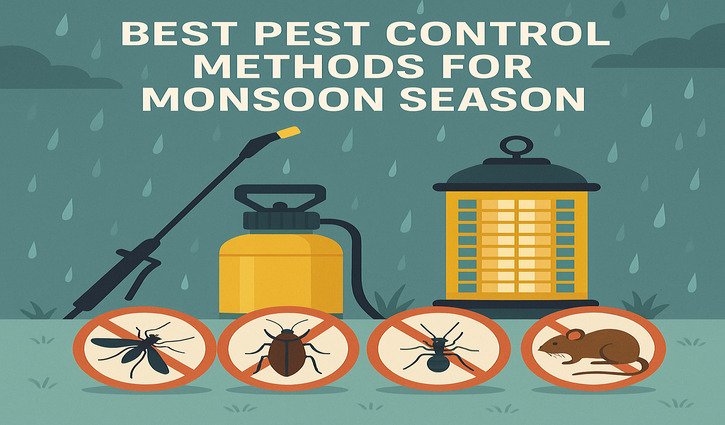
The Best Pest Control Strategy for Rainy Season
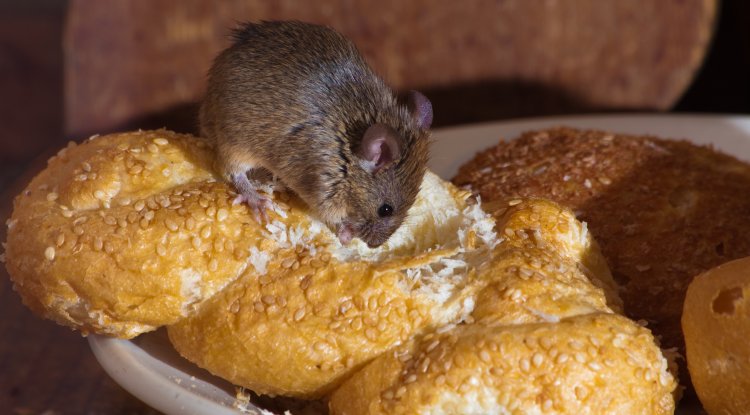
Monsoon is a relief to the heat that has penetrated through summer, but it too carries various pest activities inside the house. The moisture created by wet and humid conditions provides a breeding ground for insects and rodents making the comfy nest a haven for unwanted intruders. Mosquitoes are joined by cockroaches, ants, termites, and even rodents at their worst.
Here are the most effective pest control methods that will help you through the monsoon season in keeping things pest free.
1. Close Entry Points
The time to silence every crack, gap, or hole in the windows and doors of your home is before the rains start. These easy pest entryways, which include this information, are ants, cockroaches, and rats. Caulk, weather strip, or steel wool may all be good sealing options. Be particularly attentive to the drain areas, the underbid doors, and window areas.
Pro Tip: Keep your windows well screened to further restrict entry of flying insects while allowing air into the room.
2. Drainage and Moisture Control
Another major attractant of pests during the monsoon is standing water. Mosquitoes breed in stagnant water, while moisture-loving pests such as termites and silverfish thrive in damp places.
Check for blocked drains, leaking pipes, or accumulated water around your home.
Ensure proper drainage of water from the roof into the gutters and off the balconies.
Deploy a dehumidifier in areas of high humidity such as basements and storage rooms.
3. Home Remedies for Common Pests
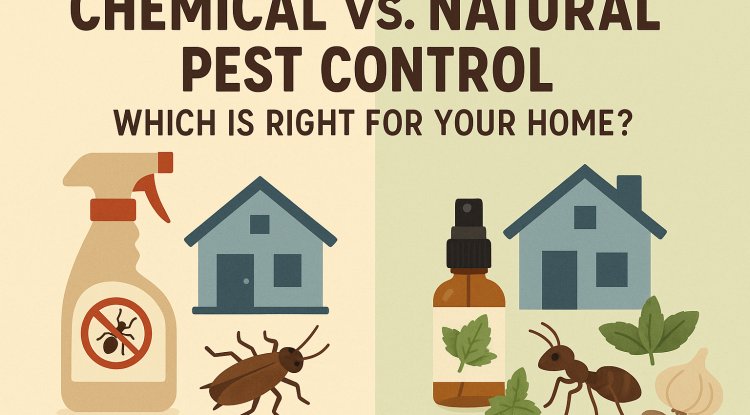
If one fears using chemicals, here are simple, natural pest repellents:
Neem oil is very effective against ants, cockroaches, and mosquitoes. It's best mixed with water before spraying in the corners and entry points.
Camphor keeps out the silverfish and mosquito. Place camphor tablets in wardrobes and cupboards, and leave some in corners.
Bay leaves or cloves will deter cockroaches from your kitchen cabinets.
Peppermint oil or vinegar sprayed along skirting boards and cracks can work as a natural ant and rodent repellent.
These natural ways are safe for children and pets while powerfully killing pests.
4. Regular Cleaning and Waste Management
Monsoon will play a great role a cleanliness factor in pest management. The damp air enters the house, encouraging pest searches for food and shelter.
Sweep and mop daily, kitchens, and bathrooms.
Leave no food uncovered and clean up spills immediately.
Store foodgrains and snacks in airtight containers.
Empty garbage every day and clean trash bins to avoid flies and rats.
5. Use Insect Screens and Traps
Using insect screens at all windows and doors should be the first measure to prevent flying insects like flies and mosquitoes from entering into a building. Additionally, consider the use of:
Glue traps for cockroaches and rodents
Electric mosquito repellents or UV traps
Sticky ant baits for kitchen areas
These tools can be effective at points strategically placed in corners behind appliances, or near sinks and drains.
6. Chemical Pest Control in a Targeted Way
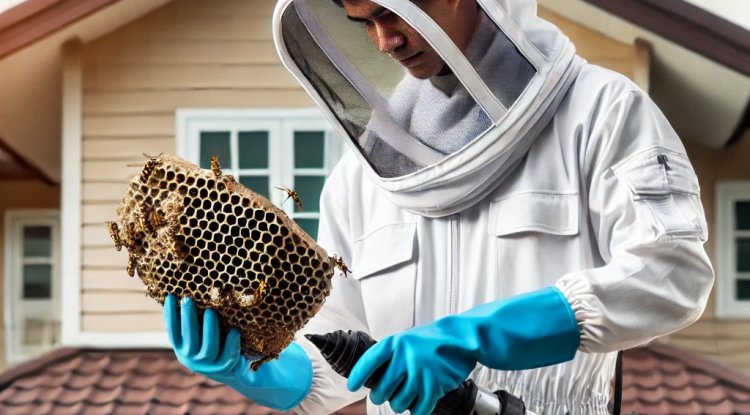
Professional-grade solutions for infestations can involve using chemical deterrents. Call in pest control professionals when you see the signs of termites, a cockroach nest, or rat droppings. Monsoon is an especially risky time for chemical pest treatments.
Use water-resistant, environmentally friendly insecticides.
Indoor-safe gel baits for cockroach and ant infestations are to be requested.
Heavy rain periods should be selected to schedule fumigation or termite barrier treatments right before or after heavy rains.
Most pest control companies use odorless and safe treatment for pest infestation with long lasting results even during monsoon.
7. Tidy Your Garden and Outdoor Surroundings
Overgrown plants and water-logged gardens form hot spots that are quite ideal to the pests. Trim your garden from time to time and remove all dead leaves and debris. Never overwater your plants, and always make sure that pots and containers have drainage holes.
For added protection:
Sprinkle boric acid or diatomaceous earth around the plant beds and crawling insects may be deterred from entry into homes.
Outdoor water features get some protection from mosquito dunks or larvicidal pellets.
8. Scheduling Preventive Pest Control Treatment
The trick is to have a treatment preventive pest control just before the rainy season as this will give a head start to the battle against monsoon pests, keeping ahead of the game by destroying eggs, larvae, and colonies before they become a big issue.
Most pest control providers have seasonal plans touching on termite control, mosquito fogging, and management of rodents to address monsoon challenges.
Final Thoughts
Pests can easily turn a nice experience into a nightmare during monsoon. Proper home hygiene, natural remedies, and timely professional interventions can be applied to save space from infestation.