10 Pest Control Hacks You Need to Try Today (Updated 2025)
Keep your home pest-free with these 10 practical pest control hacks. Learn how to seal entry points, use natural repellents, and much more.
10 Pest Control Hacks You Need to Try Today
Dealing with pests can be a real headache. From ants marching through your kitchen to rodents making a mess in the attic, pests can not only damage your property but also pose health risks. While professional pest control services are effective, you don’t always have to go that route. Here are ten practical and simple pest control hacks that you can try today to keep your home pest-free.
1. Seal Up Entry Points
Pests are experts at finding small gaps and cracks to enter your home. Inspect your doors, windows, walls, and any areas where pipes enter the building. Use weather stripping, caulk, or foam sealant to close off these gaps. Pay special attention to areas where utilities enter your home, as these are common entry points for rodents and insects.
Pro Tip:
Use door sweeps to block gaps under exterior doors. A tiny gap is all a mouse needs to squeeze in!
2. Keep Your Home Clean
Pests are attracted to food crumbs, spills, and dirty dishes. To reduce the risk of infestations, make cleaning a daily routine. Sweep and mop floors regularly, wipe down countertops, and take out the trash daily. Pay extra attention to the kitchen and dining areas, as they are hotspots for attracting pests like ants and cockroaches.
Pro Tip:
Don’t leave pet food out overnight, as it can attract ants and rodents.
3. Use Natural Repellents
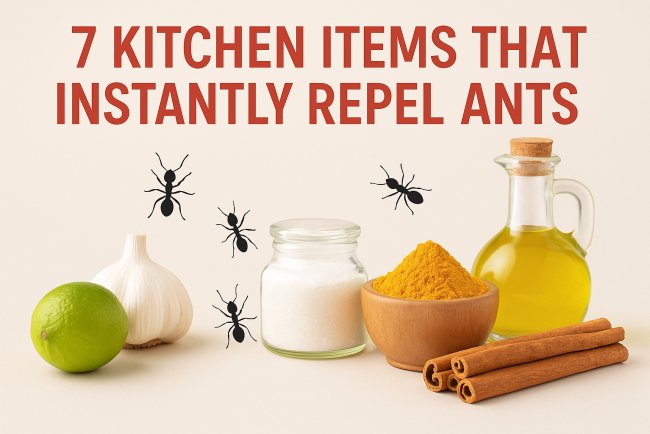
Some pests can’t stand strong scents like peppermint, lavender, or citrus. Mix a few drops of essential oil with water and spray it around windows, doors, and other potential entry points. For ants, a few drops of peppermint oil at entry points can deter them effectively. Citrus peels left around problem areas can also help repel cockroaches.
DIY Recipe:
Mix 10 drops of peppermint oil with 2 cups of water in a spray bottle. Shake well and spray in areas where ants are commonly seen.
4. Store Food Properly
Leaving food out or improperly sealed is like sending an open invitation to pests. Store dry foods like cereals, pasta, and pet kibble in airtight containers. Use glass or metal containers, as pests can easily chew through plastic bags and cardboard boxes.
Quick Fix:
Transfer flour, sugar, and grains into airtight containers as soon as you bring them home from the store.
5. Declutter Your Space
Pests love cluttered areas where they can hide and nest. Sort through storage spaces, garages, and attics, and get rid of items you no longer need. Keep boxes and bins off the floor and away from walls to reduce nesting spots for rodents and insects.
Pro Tip:
Use clear plastic bins instead of cardboard boxes to minimize hiding spots.
6. Dispose of Trash Correctly
Overflowing trash bins and food scraps can quickly attract pests. Make sure your indoor and outdoor garbage bins have tight-fitting lids. Clean the bins regularly to eliminate residues and odors. Rinse out recyclables before putting them in the bin.
Bonus Tip:
Use trash bags that are resistant to tearing to prevent leaks and odors.
7. Fix Leaks and Eliminate Standing Water
Water attracts pests like mosquitoes, cockroaches, and rodents. Regularly check for leaky faucets, pipes, and areas with condensation. Make sure your yard has proper drainage to avoid puddles and standing water.
Tip:
Fix dripping taps promptly and use a dehumidifier in damp areas like basements.
8. DIY Traps and Baits
Homemade pest traps can be surprisingly effective. For fruit flies, set a bowl with vinegar and a few drops of dish soap to lure and trap them. To catch cockroaches, mix equal parts of sugar and baking soda and place the mixture near hiding spots.
Quick DIY:
Make a simple ant trap by mixing borax with sugar and water. Soak cotton balls in the mixture and place them where ants are active.
9. Use Diatomaceous Earth (DE)
This natural powder works by dehydrating pests. Sprinkle it around entry points, behind appliances, and in cracks. DE is safe for humans and pets when used correctly, but make sure to use food-grade DE, not the type meant for pools.
Important:
Reapply DE after it gets wet to maintain effectiveness.
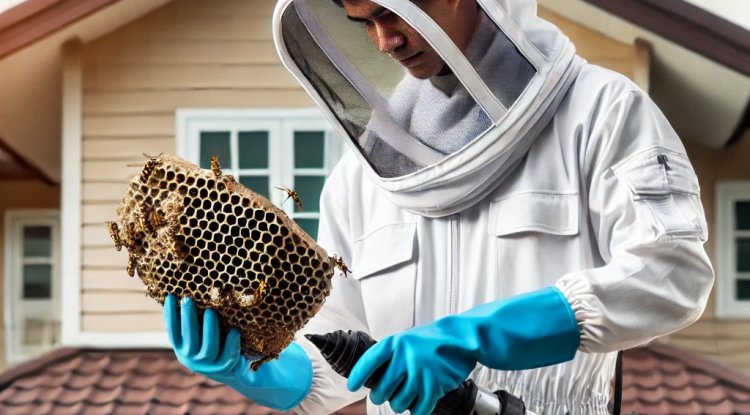
10. Call Professionals When Needed
DIY methods are great for prevention and minor issues, but severe infestations often require professional help. Pest control experts have specialized tools and chemicals to eliminate the problem at its root.
Warning Sign:
If you see multiple nests, droppings, or damage, it’s time to call the pros.
Final Thoughts
Keeping pests at bay doesn’t always require expensive treatments. These ten hacks can help you maintain a pest-free environment while saving money. However, if the problem persists or becomes severe, don’t hesitate to seek professional pest control services. Start implementing these tips today and keep your home safe and comfortable.